

No-sew unpaper towels are reusable paper towels made from fabric instead of disposable paper. They work the same way as regular paper towels but can be washed and reused again and again. You can make them without sewing, so there’s no sewing machine or skill required.
These DIY unpaper towels are popular in eco-friendly and zero-waste homes because they help reduce trash and save money over time. People often use them for cleaning spills, wiping counters, drying hands, or light kitchen messes.
If you’ve been searching for how to make reusable paper towels without sewing, this method is perfect for beginners. Using simple fabrics like cotton flannel, old towels, or receiving blankets, you can create no-sew reusable paper towels in minutes. It’s an easy, practical swap that fits naturally into everyday life.
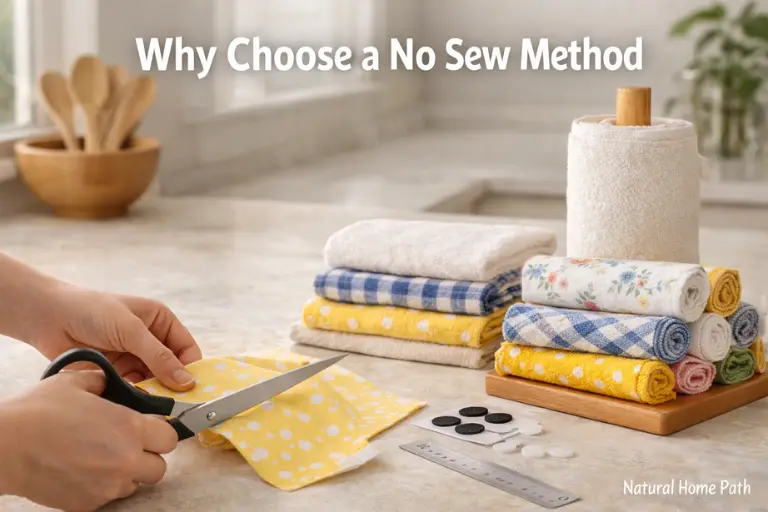
Why Choose a No-Sew Method
The no-sew unpaper towels method is popular because it removes the biggest barrier—sewing. Many people want reusable paper towels but don’t own a sewing machine or feel confident sewing. This method solves that problem completely.
With no-sew reusable paper towels, you can finish the project in minutes instead of hours. There’s no measuring seams, no threading needles, and no frustration. It’s perfect for beginners, renters, busy parents, or anyone wanting a quick eco-friendly swap.
Another benefit is flexibility. You can experiment with different fabrics, sizes, or fasteners without committing to permanent stitches. If you’ve been searching for the easiest way to make unpaper towels, this approach offers low cost, low effort, and real results, making it ideal for first-time DIY projects.
Materials Needed for No-Sew Unpaper Towels
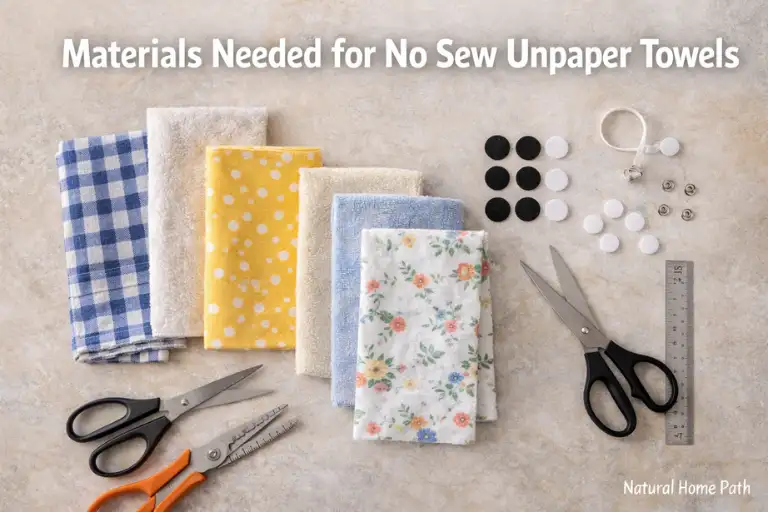
One reason people love DIY unpaper towels no sew projects is how simple the supplies are. Most items are already at home.
Fabric Options
- Cotton flannel (most popular and absorbent)
- Old towels for heavy spills
- Receiving blankets or cotton fabric scraps
No-Sew Fasteners
- Velcro dots
- Snap fasteners
- Button and elastic loop
Basic Tools
- Sharp scissors
- Ruler or measuring tape
- Optional: pinking shears to reduce fraying
Choosing 100% cotton fabric works best because it absorbs well and washes easily. Avoid stretchy or synthetic fabric, as it reduces performance and durability in reusable cloth paper towels.
Best Fabric for No-Sew Unpaper Towels
Choosing the best fabric for no-sew unpaper towels makes a huge difference in how well they work. Cotton flannel is the top choice because it’s soft, absorbent, and durable. It also clings slightly when stacked, which helps towels stay rolled.
Old towels are great for heavy messes and spills, especially for cleaning counters or drying hands. Receiving blankets work well too, offering a lightweight but absorbent option.
Avoid synthetic fabrics like polyester. They don’t absorb well and can trap odors. Thin fabric may fray faster, while very thick fabric can take longer to dry.
For beginners, stick with 100% cotton fabric. It’s washable, dryer-safe, and lasts longer, making your no-sew reusable paper towels practical for everyday kitchen use.
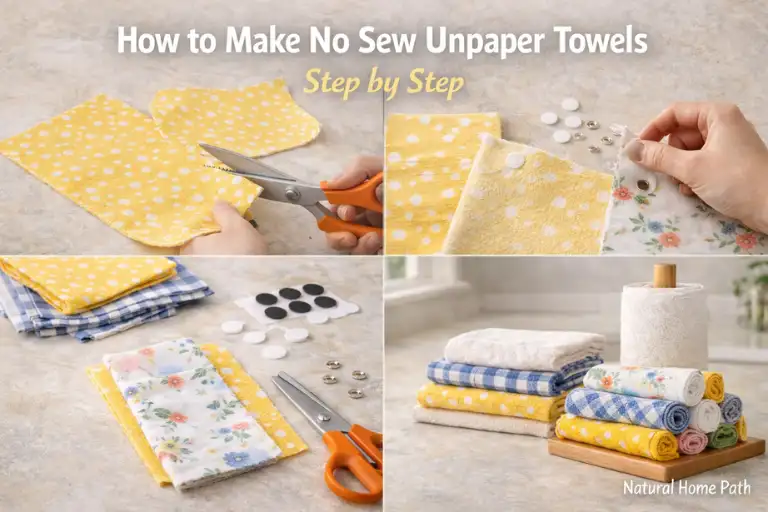
How to Make No-Sew Unpaper Towels (Step-by-Step)
Learning how to make no-sew unpaper towels is simple and beginner-friendly.
Step 1: Cut your fabric into rectangles, usually 10×12 inches, similar to paper towels.
Step 2: If available, use pinking shears to reduce fraying. If not, regular scissors still work.
Step 3: Attach your Velcro, snaps, or button-elastic to one corner of each towel so they connect when rolled.
Step 4: Stack the towels and roll them onto a paper towel holder or store them flat.
That’s it. No hemming, no sewing, no stress. This no-sew reusable paper towels tutorial allows you to create a functional, washable alternative using basic tools and simple materials.
How to Store No-Sew Unpaper Towels
Proper storage keeps reusable paper towels easy to grab and use daily. One popular method is rolling them onto a paper towel holder, just like disposable rolls. This works best when towels have snaps or Velcro.
Another option is stacking them in a basket or drawer. Fold the towels neatly and keep them near the sink or cleaning supplies for quick access.
For small kitchens, vertical storage inside a cabinet saves space. Some people also separate clean towels and used towels using two baskets to stay organized.
No matter which method you choose, make sure towels are completely dry before storing. Good airflow prevents odors and keeps your no-sew unpaper towels fresh and ready to use.
How to Wash and Care for No-Sew Unpaper Towels
Many beginners ask, are no-sew unpaper towels washable? Yes—absolutely. Wash them just like regular laundry.
Use a warm or hot wash cycle with mild detergent. Avoid fabric softener because it reduces absorbency. For greasy towels, add a little baking soda or vinegar to remove buildup.
These washable paper towels can go in the dryer on low or air-dry to extend their life. Shake them out before drying to prevent stiffness.
To avoid odors, don’t let used towels sit wet for too long. Toss them into a laundry bin or small mesh bag. With proper care, reusable cloth paper towels stay clean, fresh, and effective.
How Long Do No-Sew Unpaper Towels Last
The lifespan of no-sew reusable paper towels depends on fabric choice and care. On average, they last 6 months to over a year with regular use.
Cotton flannel towels tend to hold up best, even without sewing. Old towels last longer but may become rough over time. Thinner fabrics may fray faster but still work well.
Frequent washing, high heat, and fabric softener can shorten lifespan. To extend durability, rotate towels and avoid harsh detergents.
While sewn versions may last longer, no-sew unpaper towels are easy to replace. Many people remake them using scraps, making them a low-cost, sustainable option that still performs well in everyday cleaning.
Pros and Cons of No-Sew Unpaper Towels
Understanding the pros and cons of no-sew unpaper towels helps set realistic expectations.
Pros
- Beginner-friendly
- No sewing machine needed
- Low cost
- Easy to customize
- Eco-friendly paper towel alternative
Cons
- Slightly less durable than sewn towels
- Edges may curl or fray over time
- Fasteners may need replacing
Despite minor drawbacks, most users find the benefits far outweigh the downsides. If you want a quick, reusable paper towel replacement, this method delivers convenience without complexity.
Common Mistakes to Avoid
First-time DIYers often make small mistakes when creating no-sew unpaper towels.
One common issue is choosing synthetic fabric, which doesn’t absorb well. Another mistake is skipping fasteners, making storage messy. Using fabric softener also reduces towel performance.
Some people cut towels too small, limiting usefulness. Stick close to paper towel sizing for better results.
Avoid storing towels while damp, as this causes odors. Let them dry fully before stacking or rolling.
By avoiding these beginner mistakes, your no-sew reusable paper towels will work better, last longer, and feel like a natural replacement for disposable towels.
Are No-Sew Unpaper Towels Worth It
Many people wonder, are unpaper towels worth it? For most households, the answer is yes.
They significantly reduce waste, lower paper towel spending, and are easy to maintain. Over time, the cost savings add up, especially for families that use paper towels daily.
While they require washing, most users quickly adjust. Using them becomes second nature, just like dishcloths.
If you want a simple zero-waste kitchen swap that doesn’t require sewing skills, this project is one of the easiest to start with. No-sew unpaper towels balance convenience, sustainability, and affordability in everyday life.
Frequently Asked Questions
Will no-sew unpaper towels come apart over time?
They hold up surprisingly well when made with cotton fabric. While the edges may soften or lightly fray, they still function perfectly for everyday cleaning.
Are reusable paper towels hygienic for kitchen use?
Yes. When washed regularly in warm or hot water, they are just as sanitary as dishcloths. Many people even prefer them because they’re reusable and washable.
What fastener works best for beginners?
Velcro is the easiest to apply, while snaps last longer. Choose what feels comfortable for your skill level.
How many no-sew unpaper towels should I start with?
A good starting point is 20–25 towels. You can always make more once you see how often you use them.
Can I mix fabrics in one set?
Yes, but try to keep similar thicknesses together so they stack and wash evenly.
Conclusion
Switching to no-sew unpaper towels is a simple change that fits easily into daily life. You don’t need special tools, sewing skills, or expensive supplies—just basic fabric and a little time. That’s what makes this project so approachable.
These reusable paper towels help reduce waste, save money, and cut down on disposable products without feeling overwhelming. Even if they don’t last forever, they’re easy to remake and customize using what you already have.
If you’re looking for a beginner-friendly, eco-conscious DIY that actually gets used, no-sew unpaper towels are a great place to start. Small steps like this can make a meaningful difference over time without adding stress to your routine.