
Welcome to our Summer Garden Review 2026, where we share the highs and lows of our garden over the past season. Every summer brings new challenges, from heat waves to unexpected pests, but it’s also a chance to see which plants thrived and which didn’t. In this review, we’ll cover everything from plants that failed in summer to gardening techniques that worked, along with tips for future seasons. Whether you’re a beginner or an experienced gardener, our seasonal garden review is packed with practical insights, lessons learned, and ideas to help your summer garden succeed. By the end, you’ll have clear takeaways to improve your garden next year and maximize your harvest results.
Garden Setup Overview
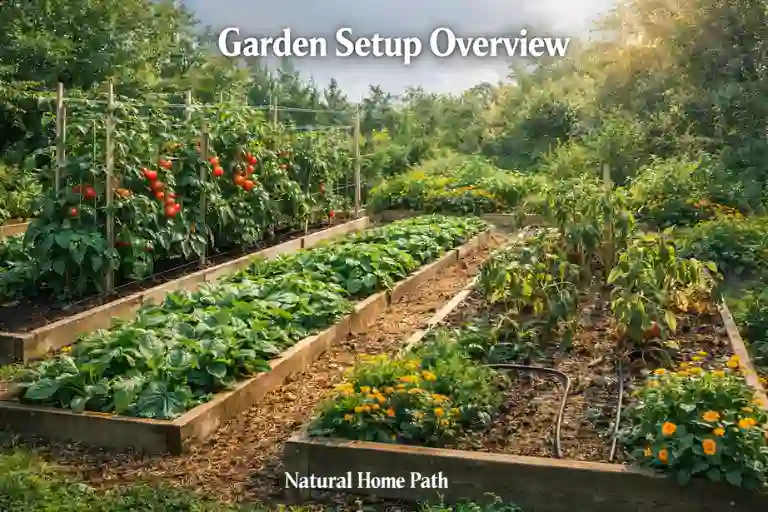
Our summer garden setup plays a big role in how well plants grow. This year, we organized our garden into vegetable plots, flower beds, and a trellis section for climbing plants. The soil was enriched with compost and tested for sunlight exposure, ensuring each plant got what it needed. Irrigation was carefully planned, using a mix of manual watering and drip systems to save water and maintain soil moisture. We also focused on spacing and plant companions to reduce pests naturally. Understanding your garden’s layout, soil, and sunlight can make a huge difference in plant performance. A well-planned summer garden layout sets the stage for plants that thrived in summer and avoids common mistakes.
Plants That Thrived
Some plants truly shined this summer. Our tomatoes, zucchinis, and sunflowers grew faster than expected, producing high yields. Flowers like marigolds and cosmos brightened the garden and attracted pollinators. What made them succeed? A combination of good sunlight, rich soil, and consistent watering. Companion planting also helped reduce pests naturally. Keeping track of plant performance is key for any seasonal garden review. By observing growth patterns and results, we can plan better for next year. These successes show how proper care, gardening techniques, and attention to environmental factors lead to plants that thrived in summer, creating a vibrant and productive garden.

Plants That Struggled or Failed
Not every plant had a perfect summer. Some cucumbers wilted, peppers suffered from heat, and certain flowers like petunias struggled with disease. Pests like aphids and fungal infections also caused issues. Understanding why plants fail is important for future success. Factors like inconsistent watering, poor sunlight, and soil issues can affect growth. Learning from mistakes is a key part of a summer garden review. By identifying what went wrong, gardeners can adjust planting choices, care routines, and garden layout. These failures are lessons for next season, helping you decide which plants to grow again, which require more care, and how to prevent common summer garden challenges.
Gardening Techniques That Worked
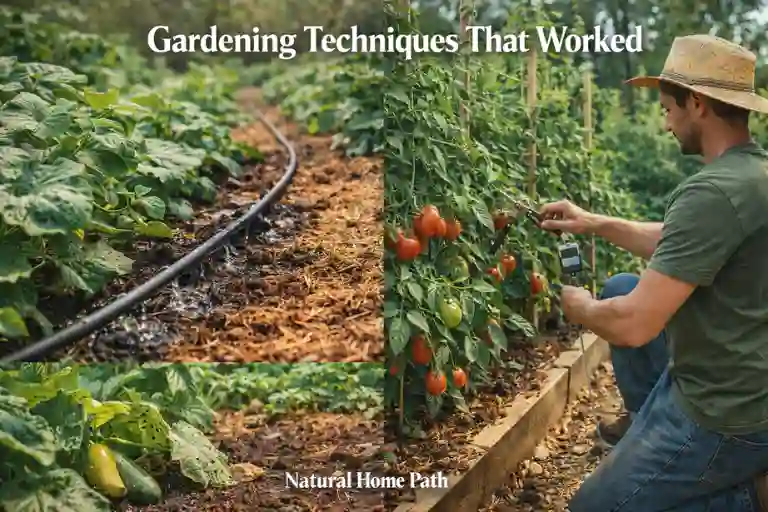
- Drip Irrigation – Delivers water directly to plant roots. Keeps soil moist, saves water, and prevents overwatering, helping plants thrive in summer.
- Mulching – Cover soil with straw, leaves, or compost. Retains moisture, reduces weeds, and keeps roots cool, ensuring healthy growth.
- Companion Planting – Grow plants together that benefit each other. Example: basil near tomatoes to repel pests naturally. Boosts growth and harvest while reducing insects.
- Pruning and Trellising – Pruning removes dead or crowded branches, while trellising supports climbing plants. Both promote healthy growth, reduce disease, and improve yields.
- Fertilization – Add essential nutrients (nitrogen, phosphorus, potassium) to soil. Supports strong growth, healthy plants, and better blooms or vegetable yields.
- Monitoring Watering Schedules – Check soil moisture and water plants at optimal times, preferably morning. Prevents drought stress and overwatering, keeping plants productive.
Lessons Learned
Every season teaches us something new. From this summer garden review, we learned that plant choice, soil quality, and sunlight exposure are critical for success. Some plants need more space or trellis support, while others require careful watering. We also found that observing plants daily helps prevent small problems from becoming big issues. Keeping notes on growth and harvest results helps plan next year’s garden effectively. Lessons like which plants to grow again and how to adjust care techniques ensure better yields and fewer failures. These takeaways are useful for both beginners and experienced gardeners looking to improve their seasonal garden results and create a thriving summer garden.
Tips for a Successful Summer Garden
- Choose Heat-Tolerant Plants – Select vegetables and flowers that thrive in hot summer conditions to reduce stress and increase yield.
- Plan Your Garden Layout – Arrange plants according to sunlight exposure and spacing needs to maximize growth and prevent overcrowding.
- Use Companion Planting – Pair plants that support each other naturally, like basil with tomatoes, to reduce pests and boost growth.
- Mulch Your Beds – Apply straw, compost, or leaves to retain moisture, prevent weeds, and keep soil cool.
- Water Consistently – Check soil moisture and water at the right times, preferably in the morning, to prevent drought stress.
- Prune and Support Plants – Prune dead branches and use trellises for climbing plants to encourage airflow, reduce disease, and increase yield.
- Fertilize Carefully – Apply nutrients at the right time to boost plant growth, fruiting, and flowering.
- Document and Observe – Keep notes and take photos to track growth, successes, and failures, helping improve next season.
Harvest Summary
Our harvest this summer was exciting! Tomatoes, zucchinis, cucumbers, and peppers produced more than expected, while some flowers provided vibrant color throughout the season. Keeping track of growth and yield is a vital part of any summer garden review. Comparing this year’s results with previous seasons shows improvements and areas needing attention. Recording harvest weights, plant health, and bloom duration helps plan for next summer. The combination of effective gardening techniques, proper watering, and careful plant selection led to the best results. These outcomes highlight the importance of lessons learned and reinforce which plants to grow again. A well-documented summer garden harvest summary helps gardeners make informed decisions for future success.
Frequently Asked Questions
What are the best plants for a summer garden?
The best summer plants are heat-tolerant vegetables and flowers that thrive in full sun and warm temperatures. Examples include tomatoes, zucchini, marigolds, and sunflowers. Pairing them with companion plants like basil or nasturtium can naturally reduce pests and improve growth.
How can I prevent my summer garden plants from wilting?
Consistent watering is key. Use drip irrigation or early morning watering, mulch your beds to retain moisture, and ensure plants have enough sunlight and airflow. Observing soil moisture daily helps prevent stress.
What gardening techniques improve yield in summer?
Techniques like pruning, trellising climbing plants, fertilization, and companion planting all contribute to higher yields. Each method helps plants grow stronger, reduces disease, and encourages better fruiting or flowering.
How do I know which plants to grow again next year?
Track your garden using a seasonal garden review or a photo diary. Note which plants thrived, produced high yields, or resisted pests. Lessons learned will guide your choices for the next summer season.
Can beginners succeed in a summer garden?
Absolutely! Start with easy-to-grow, heat-tolerant plants, use simple techniques like mulching and proper spacing, and document your progress. Even small gardens can produce healthy vegetables and vibrant flowers with consistent care.
How can I make my summer garden more eco-friendly?
Focus on organic fertilizers, natural pest control through companion planting, rainwater collection, and mulching. These techniques reduce chemical use and help conserve water while keeping your garden productive.
Conclusion
This summer garden review 2026 taught us what works and what doesn’t. Plants that thrived, like tomatoes and sunflowers, will return next year, while struggling plants will get more care or be replaced. Lessons learned about watering, soil, sunlight, and garden layout will guide our planning. Taking notes and reflecting on successes and failures ensures every season improves. We encourage readers to try these tips in their own gardens, share their results, and keep learning. With careful planning and attention, your summer garden can flourish, producing healthy plants and abundant harvests. Start planning now for next year to make your garden even better!