
If you’re tired of greasy hair but don’t want to use chemical-laden dry shampoos, making your own DIY dry shampoo is the perfect solution. Not only is it a budget-friendly, natural alternative, but it’s also customizable to suit any hair type or color. Whether you have oily hair, a sensitive scalp, or need a quick fix between washes, dry shampoo can help you achieve a fresh, clean look in minutes without the need for water or harsh chemicals. In this guide, we’ll walk you through the easiest and most effective recipes for DIY dry shampoo, so you can enjoy healthier, fresher hair on your terms. Say goodbye to store-bought products and hello to a natural, sustainable solution!
Why DIY Dry Shampoo Works
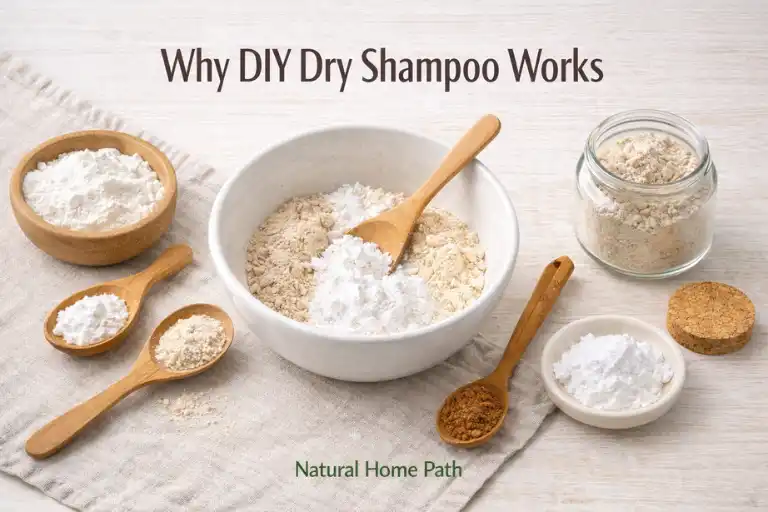
DIY dry shampoo works by absorbing excess oil from your scalp and hair, leaving it feeling fresh without the need for water. Powders like arrowroot, cornstarch, or tapioca starch are key ingredients because they are oil-absorbing and help your hair feel clean. These powders work by soaking up the sebum (natural oils) produced by your scalp. When you apply the powder to your roots, it mattifies the oils and adds volume. Using baking soda can also help, especially for oily hair, as it has extra oil-absorbing power. The result? A grease-free, fresh look without the hassle of a traditional wash.
Basic DIY Dry Shampoo Recipe
Creating a simple DIY shampoo recipe is quick and customizable for all hair types. For blondes, mix 1/4 cup of cornstarch with 2 tablespoons of cinnamon for a natural tint. For brunettes or dark hair, add 1 tablespoon of cocoa powder to avoid white residue. If you have oily hair, baking soda is a great addition for extra oil absorption. Simply blend the ingredients together in a small jar, and you have a natural, chemical-free dry shampoo ready for use! Just apply the powder to your roots using a brush or your fingers, and massage it in for a fresh, clean look without washing.
DIY Dry Shampoo Recipes by Hair Color
DIY Dry Shampoo for Blondes
For blonde hair, arrowroot powder and cinnamon are perfect because they blend well with lighter shades. Cinnamon gives the dry shampoo a natural, warm tone, preventing any white residue.
DIY Dry Shampoo for Brunettes
Brunettes need a bit of color added to their dry shampoo. Add cocoa powder to your basic cornstarch mix to avoid white streaks in your hair. This combination will blend naturally with darker shades.
DIY Dry Shampoo for Redheads
For red hair, use a mix of arrowroot powder and a pinch of cinnamon. This will help blend with the natural warm tones of red hair without any harsh residues.
DIY Dry Shampoo for Black or Very Dark Hair
For very dark hair, cocoa powder is the best choice. It helps camouflage the dry shampoo and blends seamlessly without leaving any noticeable powder behind.
Ingredient Substitutions
- Cornstarch
- Arrowroot Powder
- Tapioca Starch
- Baking Soda
- Cocoa Powder
- Rice Flour
- Cinnamon
- Activated Charcoal
- Essential Oils
DIY Dry Shampoo Without Baking Soda
Baking soda is often used in dry shampoos because it’s great at absorbing oils, but it can sometimes be too harsh, especially for people with sensitive scalps. If you’re prone to irritation, arrowroot powder, rice flour, or tapioca starch can work just as well. These powders are gentler on the skin while still effectively absorbing oils. Coconut flour is another option, and it’s especially good for people with dry scalp as it doesn’t strip natural oils. This baking-soda-free recipe is gentle enough for daily use without worrying about scalp irritation.
How to Apply DIY Dry Shampoo Correctly
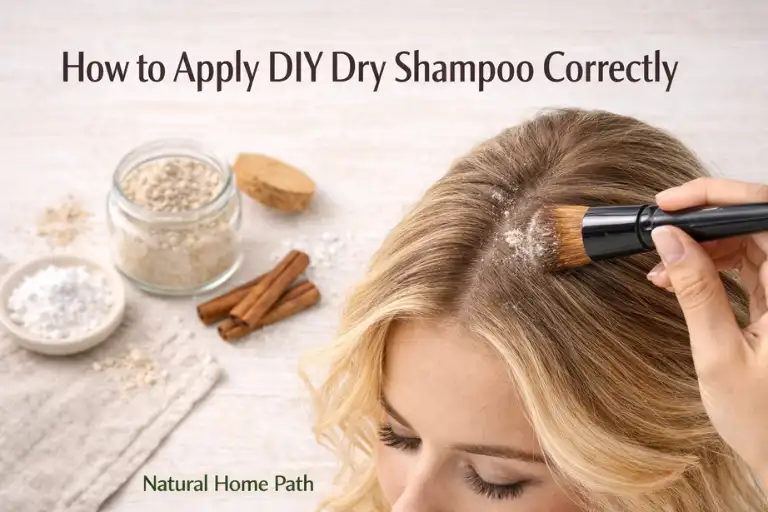
Applying DIY dry shampoo is easy, but to get the best results, make sure you’re doing it right. First, shake the powder in your hands or makeup brush and lightly tap off any excess. Then, apply it directly to your roots, focusing on areas where oil tends to build up the most. Gently massage the powder into your scalp using your fingers or a soft brush. For best results, allow the powder to sit for a few minutes to absorb excess oil before combing through your hair. If you have dark hair, make sure to blend thoroughly to avoid any visible powder!
Common DIY Dry Shampoo Mistakes
While DIY dry shampoo is easy to make, there are a few common mistakes to watch out for. The most common issue is using too much powder. Apply a small amount and build it up gradually to avoid a powdery buildup. Another mistake is applying dry shampoo to wet hair—always make sure your hair is dry before applying the powder. If you use baking soda, it can be irritating for sensitive scalps, so make sure to stick to arrowroot powder or tapioca starch. Lastly, don’t forget to blend the powder well, especially if you have dark hair, to avoid visible streaks or white marks.
How Often Should You Use DIY Dry Shampoo
DIY dry shampoo is a great way to extend the life of your hair between washes, but it’s important not to overdo it. Daily use can lead to buildup on the scalp, which may clog pores and affect hair health. It’s best to use it every other day or as needed, depending on your hair type and oil production. For oily hair, you might need it more often, but for dry scalp, limit usage to avoid stripping too much natural oil. Scalp health is key, so listen to your hair’s needs and make sure to wash it thoroughly once in a while to maintain balance.
DIY Dry Shampoo vs Store-Bought
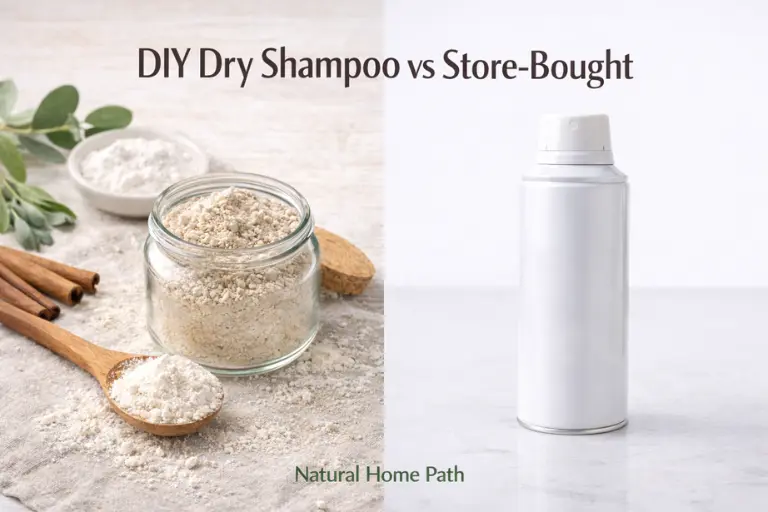
When deciding between DIY dry shampoo and store-bought products, there are a few things to consider. DIY options are great for those who want to customize their recipe, avoid chemicals, and save money. However, store-bought dry shampoos are often more convenient and can provide a stronger hold for long-lasting freshness. The biggest advantage of this shampoo is that it’s natural and chemical-free, which is a major benefit for sensitive skin or those avoiding harsh chemicals. Store-bought options may include added fragrances or preservatives, so if you want a cleaner, more sustainable solution, DIY is the way to go.
Zero-Waste & Eco-Friendly Tips
Switching to DIY dry shampoo not only benefits your scalp but also the planet. Many store-bought dry shampoos come in aerosol cans or plastic bottles, which contribute to waste. By making your own dry shampoo, you can reduce waste by reusing old jars or containers. Option for natural powders like arrowroot powder or cornstarch that are eco-friendly and biodegradable. It is also a great option if you want to go zero-waste, as it eliminates the need for packaging and harmful chemicals. Plus, it’s easy to customize your recipe to suit your needs!
Frequently Asked Questions
Can DIY dry shampoo really absorb oil effectively?
Absolutely! dry shampoo works by absorbing excess oil with ingredients like arrowroot powder or cornstarch. These powders soak up oil from your scalp, leaving your hair feeling fresh without the need for washing.
Does DIY dry shampoo leave a white residue?
While some powders might leave a slight white residue, using the right ingredients for your hair color can prevent this. For dark hair, add cocoa powder or activated charcoal to your mix for a seamless blend, while blondes can stick to arrowroot powder.
Can DIY shampoo cause hair thinning or damage?
Used in moderation, DIY dry shampoo shouldn’t cause hair thinning or damage. However, excessive buildup can affect scalp health. Make sure to wash your hair thoroughly every few days to avoid clogging pores or weakening hair follicles.
How often should I use DIY dry shampoo?
It’s best to use dry shampoo when needed every other day works well for most people. Overuse can lead to buildup, so listen to your scalp. If you have dry hair, limit its use to once or twice a week.
Conclusion
In conclusion, DIY dry shampoo is not just an eco-friendly and cost-effective option, it’s also a safe, customizable solution for anyone looking to freshen up their hair without the hassle of a full wash. It’s perfect for busy days, travel, or simply extending the time between shampoos. Whether you have oily hair, a sensitive scalp, or a specific hair color, you can easily adjust your dry shampoo recipe to suit your needs. By using natural ingredients, you avoid the chemicals found in many store-bought versions, giving your hair a cleaner, fresher feel. Plus, it’s a great way to reduce your environmental impact. So, go ahead and give dry shampoo a try, it’s definitely worth it!