

A hog wire garden fence is a strong and practical DIY fencing option made from metal wire panels secured between posts. Originally, this type of fencing was used on farms to contain animals. Over time, it has become a popular choice for backyard gardens. As a result, homeowners prefer it because it is affordable, durable, and easy to install. Unlike traditional wooden fences, hog wire fencing offers an open view while still keeping pets and wildlife out, making it ideal for residential spaces.
There are different styles and heights available, allowing you to customize your fence for small spaces or large yards. Whether you’re looking for a modern backyard fence or a budget-friendly DIY garden fencing solution, a hog wire fence is versatile, practical, and adds a touch of rustic charm to any outdoor space.
Tools and Materials You’ll Need
Before you begin, gather all tools and materials to keep your DIY hog wire garden fence project organized and efficient. To start, you will need wooden or metal posts, hog wire panels, fasteners or U-nails, a post hole digger, hammer, wire cutters, and pliers. In addition, optional items such as gates, braces, and weatherproofing materials can improve durability and overall function. Because hog wire panels come in different heights and grid sizes, choosing the correct option is important for matching your backyard design.
By preparing supplies in advance, you can avoid delays and keep your DIY backyard fence looking neat and professional. At the same time, using a clear materials list helps maintain a budget-friendly hog wire garden fencing project.
Planning Your DIY Hog Wire Garden Fence
Proper planning is key to a successful DIY hog wire fence. Start by measuring your garden carefully to determine the fence’s length and height. Decide on post spacing, usually 6–8 feet apart, to keep the hog wire panels secure. Consider your yard layout corners, slopes, or small spaces may require adjustments. Planning helps you avoid mistakes like uneven posts or sagging wire.
Also, think about gates or entry points, as they need extra support. For small garden fencing solutions, shorter panels or tighter post spacing work best. A well-planned fence ensures durability, safety, and a clean look, making your backyard fence project both practical and visually appealing.
Step-by-Step Installation Guide
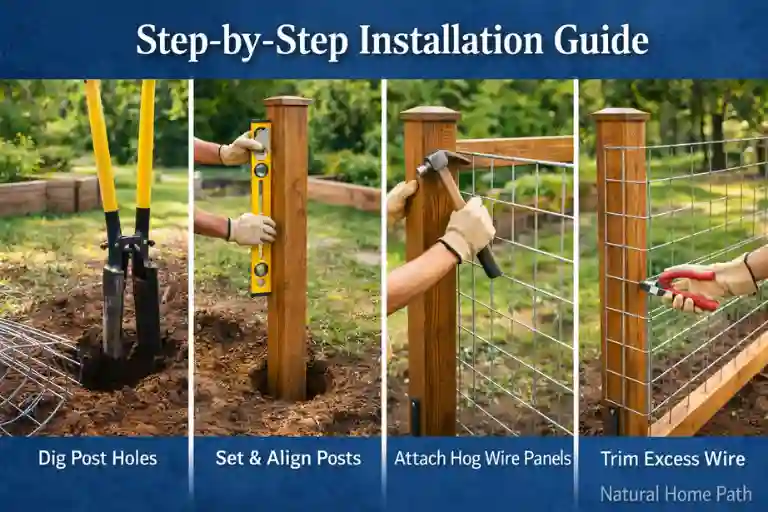
Step 1: Dig the Post Holes
Mark where each fence post will be placed. Use a post hole digger to create holes at least 2 feet deep to improve stability and prevent leaning.
Step 2: Set and Align the Posts
Place each post into its hole and check that it is straight and level. Secure posts with packed soil or concrete and allow them to set before continuing.
Step 3: Attach the Hog Wire Panels
Position the hog wire panels against the posts and fasten them using U-nails or exterior-grade screws. Pull the wire tight to avoid sagging and ensure a clean, professional look.
Step 4: Continue Along the Fence Line
Repeat the process panel by panel, keeping even spacing and consistent tension along the entire fence line.
Step 5: Install the Gate (If Needed)
Mount the gate between reinforced posts to handle extra weight and frequent use. Check that hinges and latches move smoothly.
Step 6: Trim and Secure the Wire
Use pliers or wire cutters to remove excess wire. Bend sharp edges inward to improve safety and create a finished appearance.
Step 7: Final Inspection
Walk the full fence line to check for loose fasteners, uneven panels, or sharp edges. Small adjustments now ensure a strong, secure, and attractive hog wire garden fence suitable for gardens, pets, and small farm areas.
Budget and Cost Considerations
A DIY hog wire garden fence is popular because it’s affordable. Costs vary depending on fence length, height, and materials. Wooden posts are budget-friendly, while metal posts last longer. Hog wire panels typically cost more, but investing in durable wire saves money in the long run. Additional expenses may include fasteners, gates, tools, and weatherproofing supplies.
Planning ahead and buying materials in bulk can reduce costs. Using budget-friendly hog wire garden fencing tips, you can build a strong fence under $300 in many cases. Careful budgeting ensures your DIY backyard fence is both practical and attractive, giving your garden security without overspending.
Common Mistakes to Avoid
Even experienced DIYers can make mistakes when installing a hog wire garden fence. One common issue is uneven posts, which can make panels sag or look messy. Another is not stretching the wire tightly, causing gaps that pets or wildlife could pass through. Forgetting to weatherproof posts may lead to early rotting or rust. Skipping proper gate reinforcement is also a common problem.
Avoiding these mistakes ensures your DIY hog wire fence lasts longer and stays functional. By planning carefully and following step-by-step installation instructions, your backyard fence will be sturdy, safe, and visually appealing, giving you confidence in your DIY project.
Maintenance Tips for Long-Lasting Performance
Regular care is key to keeping a hog wire garden fence strong and reliable over time. Make it a habit to walk along the fence line a few times each year to check for loose posts, shifting panels, or early signs of rust and wear. Spotting small issues early helps prevent larger repairs later.
Keeping the hog wire panels clean also plays an important role in maintenance. Dirt, mud, and plant debris can build up over time, so gently scrubbing the wire with a wire brush or mild soap and water helps maintain its condition and appearance. For fences with wooden posts, applying a weatherproof sealant or wood preservative is essential to protect against moisture damage, rot, and insect activity.
Address minor repairs as soon as they appear. Tightening loose fasteners, straightening bent wire, or replacing damaged sections right away can save time and money in the long run. Gates and hardware should also be checked regularly to ensure hinges, latches, and screws move smoothly and remain secure, especially in high-traffic areas.
Safety should never be overlooked. Any sharp wire edges should be trimmed or bent back to protect pets, children, and anyone using the garden space. After heavy rain, strong winds, or snow, take time to inspect the fence again to confirm posts remain solid and panels stay firmly in place.
Design Inspiration & Modern Variations
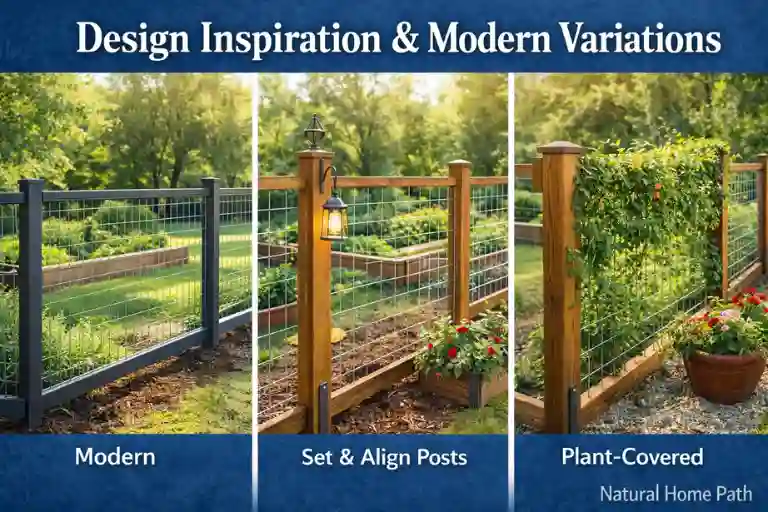
A hog wire garden fence isn’t just functional, it can enhance your backyard’s aesthetic appeal. Consider modern, rustic, or minimalist designs depending on your garden style. Pair your fence with climbing plants, trellises, or flowers to create a natural, inviting look. For small spaces, shorter panels or decorative posts work well. Adding a gate or corner accents can improve both functionality and beauty.
With careful planning, your DIY hog wire fence can blend safety, durability, and style, making it a centerpiece of your garden. Whether you want a budget-friendly backyard fence or a modern DIY garden fencing solution, design choices can make your project truly unique.
Frequently Asked Questions
Can I install a hog wire fence on a slope?
Yes, adjust post heights and use staggered panels to maintain tension and stability.
How long does it take to build a DIY hog wire fence?
Most backyard projects can be completed in 1–3 days, depending on size and tools.
Can I make the fence more private?
Yes, add climbing plants, privacy screens, or woven panels.
How do I install a gate properly?
Reinforce posts on both sides, use strong hinges, and check alignment regularly.
Conclusion
Building a DIY hog wire garden fence is a smart way to combine strength, style, and affordability in one project. With the right tools, careful planning, and proper installation, this fence can protect your garden while keeping your outdoor space open and visually appealing. Its flexible design makes it suitable for small yards, large gardens, and modern landscapes without sacrificing durability.
By avoiding common mistakes and following simple maintenance steps, your hog wire fence can last for many years and add long-term value to your home. Whether your goal is functionality, aesthetic appeal, or budget-friendly garden fencing, a DIY hog wire fence offers a reliable and stylish solution that makes hands-on projects both practical and rewarding.