

Pineapple weed tea is a gentle, caffeine-free herbal tea made from a small wild plant often called wild chamomile. Many people discover pineapple weed growing along paths, gardens, and open ground, often without realizing it can be brewed into a soothing tea. When the flowers are crushed, they release a light pineapple-like aroma, which is where the plant gets its name.
Traditionally, pineapple weed has been used as a mild herbal tea for comfort and relaxation. Today, people enjoy pineapple weed benefits such as digestive support and a calming evening drink. Because it is easy to identify and simple to prepare, beginners often look for how to make pineapple weed tea at home.
In this guide, you’ll learn what pineapple weed tea is, how it tastes, how to prepare it safely, and what to know before drinking it regularly.
What Is Pineapple Weed?
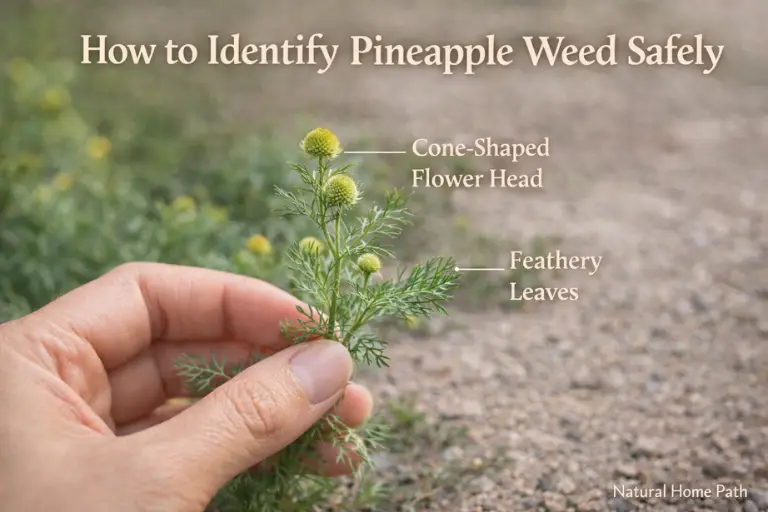
Pineapple weed is a small, hardy plant that grows wild in many regions. It is often found along sidewalks, driveways, gardens, and disturbed soil. The plant has feathery green leaves and small cone-shaped flowers that look similar to chamomile but without white petals. When the flower heads are crushed, they release a sweet pineapple-like scent, which helps with identification.
Many people also call pineapple weed wild chamomile because it belongs to the same plant family. Unlike cultivated chamomile, pineapple weed grows naturally without care. Because it spreads easily and survives tough conditions, it is often overlooked. However, foragers and herbal users value pineapple weed for its edible flowers and gentle herbal properties, especially when used to make pineapple weed tea.

What Is Pineapple Weed Tea
Pineapple weed tea is a simple herbal infusion made by steeping fresh or dried pineapple weed flowers in hot water. The tea is light, naturally caffeine-free, and known for its mild flavor. Most people use only the flower heads, as they contain the strongest aroma and taste.
This tea has been traditionally brewed as a comforting drink, often enjoyed in the evening or after meals. Unlike strong herbal remedies, pineapple weed is gentle and easy to tolerate. People interested in natural herbal teas often choose it because it is easy to prepare and does not require special tools. Learning how to make pineapple weed tea is straightforward, making it a popular choice for beginners exploring wild and edible plants.
Pineapple Weed Tea Benefits
Many people drink pineapple weed tea for its gentle and calming nature. Traditionally, it has been used as a soothing herbal tea, especially after meals. One commonly mentioned pineapple weed tea benefit is digestive comfort, as the tea is often enjoyed when the stomach feels heavy or unsettled.
The tea is also known for its mild calming effects, making it a popular evening drink. Some people use it to relax before bedtime, similar to chamomile tea. Because it is caffeine-free, it does not interfere with sleep. While pineapple weed is not a medicine, it has long been valued in traditional herbal use for its simple, supportive qualities. Always remember that results vary, and herbal teas work best as part of a balanced lifestyle.
What Does Pineapple Weed Tea Taste Like
One of the most common questions people ask is, what does pineapple weed tea taste like? The flavor is light, smooth, and slightly sweet. Many describe it as having a soft pineapple note mixed with a gentle chamomile-like taste. The aroma is often stronger than the flavor, especially when fresh flowers are used.
Compared to store-bought chamomile tea, pineapple weed tea feels milder and less bitter. It does not have a sharp or grassy taste, which makes it pleasant for beginners. The tea can be enjoyed plain or with a small amount of honey if desired. Because the flavor is subtle, it pairs well with quiet moments and relaxing routines rather than strong meals.
Pineapple Weed vs Chamomile Tea
Pineapple weed vs chamomile tea is a common comparison because both plants belong to the same family. While chamomile is widely cultivated, pineapple weed grows wild and naturally. In terms of flavor, pineapple tea is lighter and less floral, with a mild pineapple scent. Chamomile tea is stronger and more floral.
Both teas are commonly used for relaxation and digestive comfort. However, pineapple tea is often considered gentler, making it suitable for those who find chamomile too strong. Another difference is availability—pineapple weed can be foraged in many areas, while chamomile is usually purchased. Choosing between the two often depends on taste preference and access rather than effectiveness.
How to Make Pineapple Weed Tea (Step-by-Step)
Making pineapple tea is easy and does not require special tools. This simple process works for both beginners and experienced herbal tea drinkers.
Step 1: Gather the Flowers: Start by collecting pineapple weed flower heads, either fresh or dried. The flowers hold the strongest aroma and flavor, which is why they are used for tea. If using fresh flowers, choose clean plants from an unpolluted area.
Step 2: Clean Fresh Flowers: If the flowers are freshly picked, gently rinse them with water to remove dust or soil. Avoid soaking them for too long, as this can reduce flavor.
Step 3: Measure the Amount: Place 1–2 teaspoons of fresh flowers or 1 teaspoon of dried flowers into a cup or mug. This creates a mild, balanced tea.
Step 4: Add Hot Water: Pour hot (not boiling) water over the flowers. Very hot water can make the tea taste bitter.
Step 5: Steep and Strain: Cover and let the tea steep for 5–10 minutes, then strain and enjoy. Drink plain or lightly sweetened. Start with small amounts to see how your body responds.
Best Time to Drink Pineapple Weed Tea
The best time to drink pineapple tea depends on how you plan to use it. Many people prefer drinking it after meals, as it is traditionally associated with digestive comfort. Others enjoy it in the evening, thanks to its calming and caffeine-free nature.
Because pineapple tea is gentle, it can also be enjoyed during quiet daytime moments. However, it is most popular as a relaxing drink before bedtime. Some people drink it daily, while others prefer occasional use. Listening to your body is important. If you are new to herbal teas, start with one cup and adjust based on how you feel.
Safety, Side Effects & Who Should Avoid It
Although pineapple tea is generally considered gentle, safety is still important. People who are sensitive to plants in the daisy family should be cautious, as pineapple weed is related to chamomile. Possible pineapple tea side effects may include mild allergic reactions in sensitive individuals.
Pregnant or breastfeeding individuals should consult a healthcare professional before drinking herbal teas. Overconsumption is not recommended, as even mild herbs should be used in moderation. Always make sure the plant is correctly identified before use. If you experience discomfort after drinking pineapple weed tea, stop using it and seek advice.
How to Identify Pineapple Weed Safely
Correct identification is essential before using pineapple weed for tea. The plant has small yellow-green cone-shaped flowers without petals and fine, feathery leaves. When crushed, the flower head releases a clear pineapple scent, which is a key identifier.
Pineapple weed usually grows close to the ground in compacted soil, along paths and open areas. Avoid harvesting plants from polluted locations, such as roadsides with heavy traffic. If you are unsure, do not use the plant. Learning how to identify pineapple weed properly helps ensure safety and prevents confusion with look-alike plants.
Sustainable Harvesting & Ethical Foraging
When foraging pineapple weed, it’s important to practice sustainable harvesting. Only collect a small portion of flowers from each area, leaving plenty behind for regrowth and pollinators. Avoid overharvesting from a single spot.
Choose clean environments away from chemicals and pollution. Ethical foraging respects nature and ensures the plant remains available for future seasons. Using pineapple weed responsibly supports both the environment and your own safety. Sustainable practices also help preserve traditional herbal knowledge for future generations.
Frequently Asked Questions
Does pineapple weed tea contain caffeine?
No, pineapple tea is naturally caffeine-free, which makes it a good option for people who avoid caffeine or prefer calming drinks in the evening.
How often can pineapple weed tea be consumed?
Many people enjoy it occasionally or a few times a week. Because it is a gentle herbal tea, moderation is still important, especially if you are new to wild herbs.
Can pineapple weed tea be combined with other herbs?
Yes, pineapple tea blends well with mild herbs like mint or lemon balm. Mixing herbs can gently change the flavor without overpowering the tea.
Is pineapple weed tea safe for children?
Small amounts may be tolerated, but it’s best to consult a healthcare professional before offering herbal teas to children.
Conclusion
Pineapple weed tea is a simple, calming herbal drink made from a plant many people walk past without noticing. With its soft pineapple aroma, light chamomile-like taste, and traditional uses, it offers a gentle way to explore wild herbal teas. When properly identified and prepared, pineapple tea can be enjoyed as part of a relaxed daily or evening routine.
As with any wild plant, correct identification, moderation, and safety awareness are essential. By harvesting responsibly and listening to your body, you can enjoy pineapple weed tea as a mindful and natural addition to your herbal tea collection.