
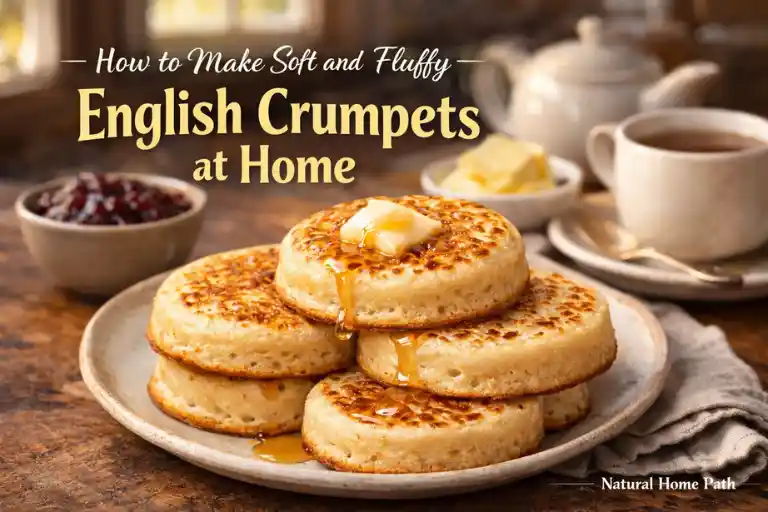
English crumpets may seem simple at first, but they are truly unique among breakfast breads. Unlike English muffins or pancakes, crumpets have a soft, spongy texture and a network of tiny holes on the surface, giving them their signature character. While English muffins are denser and split horizontally to hold toppings, crumpets remain airy throughout, almost melting in your mouth, and pancakes are flat, smooth, and often sweet, making crumpets a perfect balance between bread and breakfast treat.
The small holes on top are not just decorative, they are essential for absorbing butter, jam, honey, or any other topping, creating a rich, flavorful bite every time. With their light, slightly chewy texture and mild, buttery flavor, crumpets can be enjoyed with both sweet and savory toppings, and their golden, slightly crisp bottom adds a satisfying contrast that makes them stand out from other breads.
History and Evolution of English Crumpets
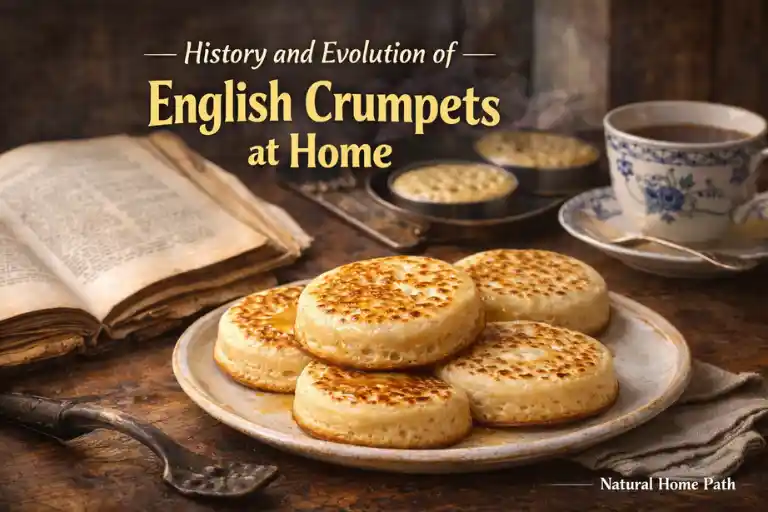
The history of English crumpets dates back to their origins in Britain, where they were first enjoyed as a simple, comforting breakfast bread. Early versions appeared in 18th and 19th century cookbooks, often made with basic ingredients like flour, yeast, and milk, and cooked on griddles or flat pans. These early recipes show how crumpets were a staple in British households long before they became a global favorite. Over time, crumpets evolved, with modern adaptations appearing around the world to suit local tastes and dietary needs. Today, you can find variations that are gluten-free, vegan, or flavored with herbs and spices, but the classic soft, spongy texture and signature holes remain central to the authentic English crumpet experience.
Quick English Crumpets Recipe
Prep Time: 10 minutes
Resting/Proofing: 1 hour
Cook Time: 10–12 minutes
Total Time: 1 hour 20 minutes
Servings: 6–8 crumpets
Ingredients Highlights
- All-purpose flour – 1 cup
- Yeast – 2 tsp
- Milk – ½ cup
- Water – ¼ cup
- Sugar – 1 tsp
- Salt – ¼ tsp
- Optional: gluten-free flour, vegan milk
Quick Steps
- Mix the batter: Combine flour, yeast, milk, water, sugar, and salt until smooth.
- Rest & proof: Cover and let batter rise for 1 hour until doubled in size.
- Cook crumpets: Heat skillet, lightly grease, pour batter into metal rings. Cook slowly until golden bottoms form.
- Perfect holes & texture: Let bubbles form on top before removing rings. Flip briefly if needed.
- Serve & enjoy: Top with butter, jam, honey, or savory toppings like cheese or avocado.
Tips:
- Adjust batter consistency for perfect soft, spongy texture.
- Medium heat is key for golden-brown bottoms.
- Freeze leftovers and reheat lightly to maintain airy holes.
Common Crumpet Problems and Fixes
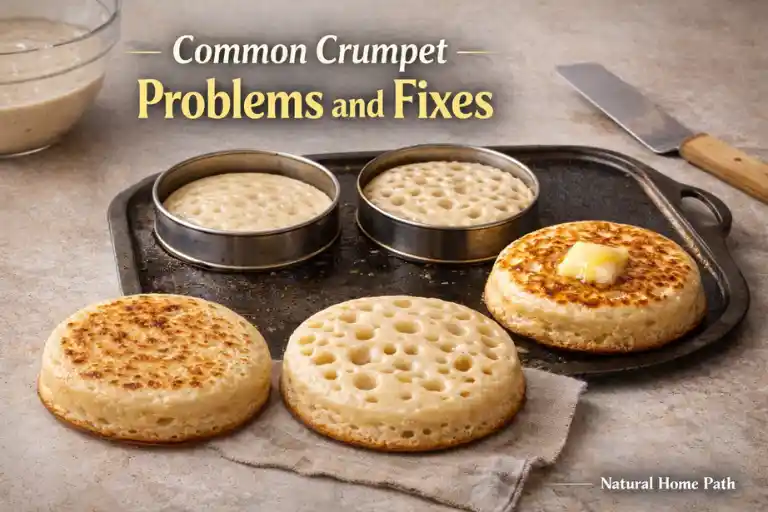
Sometimes, making English crumpets at home can be tricky, and issues like dense or flat crumpets may occur. One common reason is the batter being too thick or too thin. If the batter is too thick, the crumpets won’t rise properly and will be heavy, while a too-thin batter can spread too much and fail to form their characteristic holes. Adjust the consistency so it’s thick yet pourable to achieve the soft, spongy texture that defines crumpets.
Cooking temperature issues are another frequent problem. If the skillet or griddle is too hot, the bottom may burn before the top cooks through, preventing proper hole formation. Too low, and the crumpets will cook slowly, becoming dense. Maintain a medium heat and cook slowly for even golden-brown bottoms and perfectly airy tops. With the right batter consistency and temperature control, you can consistently achieve classic English crumpets with their signature holes and light, chewy texture.
Creative Serving Ideas
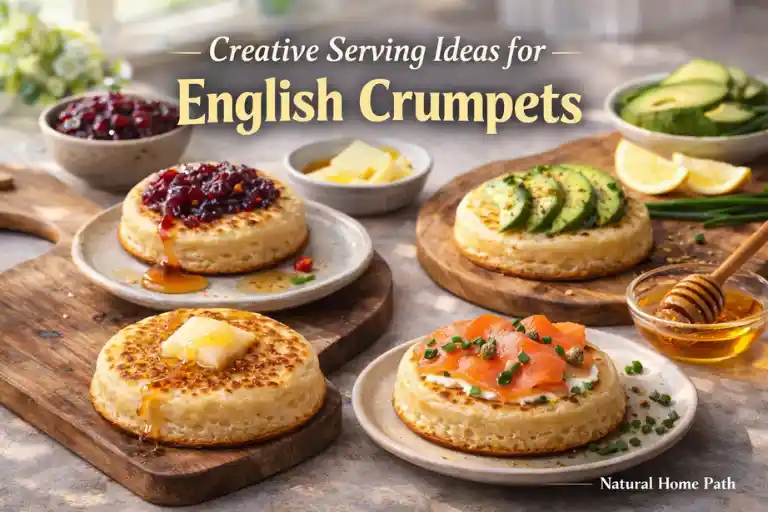
English crumpets are incredibly versatile and can be enjoyed in many ways. The classic option is butter and jam, allowing the rich, buttery flavor to soak into the signature holes for a melt-in-your-mouth experience. For a more sophisticated twist, try gourmet toppings such as smoked salmon, avocado, or cheese, which turn crumpets into a delicious brunch or light meal. Sweet toppings are also a favorite, honey, chocolate, or fruit preserves pair perfectly with the airy, spongy texture of crumpets, making them ideal for breakfast, tea-time, or a snack anytime. With so many options, you can get creative and enjoy homemade crumpets in countless delicious ways.
Quick & Easy Crumpet Variations
For busy mornings or a fun family breakfast, English crumpets can be adapted in several easy ways. You can make 15-minute crumpets using a quicker batter and shorter resting time, perfect when you’re short on time but still want that classic soft, spongy texture. Kid-friendly and family breakfast crumpets are also popular, often made smaller in size and topped with fun spreads like honey, jam, or chocolate.
For those who enjoy savory flavors, try crumpets with herbs and spices, adding ingredients like rosemary, cheese, or chives to the batter for a flavorful twist. Vegan and gluten-free adaptations are also possible, using plant-based milk, alternative flours, or egg substitutes, allowing everyone to enjoy homemade crumpets without missing out on the airy, hole-filled texture that makes them so unique. These variations ensure that crumpets can suit any taste, dietary need, or occasion.
Nutritional Insights
English crumpets are a light and satisfying breakfast bread, providing a balanced mix of calories, carbohydrates, and protein per serving. A typical crumpet contains around 70–100 calories, making it an ideal option for a quick morning meal or snack. For those looking to make healthier versions, consider using whole wheat flour, reducing sugar, or topping with fresh fruits instead of spreads high in sugar or fat.
Crumpets also pair wonderfully with tea, coffee, or other breakfast foods, making them a versatile choice for any time of day. Whether enjoyed with a simple pat of butter, a drizzle of honey, or alongside eggs and fruit, these soft, spongy crumpets offer a light, flavorful start to the day without feeling heavy.
Storage, Freezing, and Reheating
Homemade English crumpets can be enjoyed long after cooking if stored properly. To store crumpets for later use, place them in an airtight container or a resealable plastic bag at room temperature for up to two days. For longer storage, freezing crumpets without losing their sponginess is simple separate each crumpet with parchment paper and store them in a freezer-safe bag.
When it’s time to enjoy them, proper reheating ensures the soft, airy texture is maintained. Toasting frozen crumpets lightly on a skillet or in a toaster works best, allowing the golden-brown bottoms to crisp slightly while keeping the tops soft and ready to absorb butter, jam, or any other topping. This method guarantees your crumpets remain just as delicious as when they were freshly made.
Fun Facts About English Crumpets
English crumpets aren’t just a delicious breakfast bread; they also have a rich presence in pop culture. They’ve appeared in British literature, TV shows, and even cartoons, often symbolizing traditional British teatime and comfort food.
Across the UK, there are subtle regional variations of crumpets. Some areas prefer them thicker, others slightly crispier, and certain regions have unique twists on batter or cooking style, making crumpets a versatile and locally cherished treat.
There’s also plenty of interesting trivia and records associated with English crumpets. For example, crumpet-eating competitions, largest crumpets ever made, and quirky Guinness World Records highlight how beloved this simple bread has become over centuries. These fun facts add another layer of charm to homemade crumpets, making them not just tasty but culturally significant and historically interesting.
Frequently Asked Questions
What is the difference between crumpets and English muffins?
Crumpets are soft, spongy breakfast breads with characteristic holes on top, perfect for absorbing butter, jam, or other toppings. English muffins are denser, split horizontally, and often toasted before serving. The texture and cooking method are the main differences that set them apart.
Can I make crumpets without yeast?
Yes! You can make quick crumpets using baking powder or baking soda instead of yeast. While the flavor will be slightly different, this method still creates airy, soft crumpets with a similar texture.
How do I fix holes that don’t form in crumpets?
If your crumpets don’t develop their signature holes, it’s usually due to batter consistency or cooking temperature. Make sure the batter is thick but pourable and cook slowly over medium heat to allow bubbles to form and create the spongy texture.
Can crumpets be made in an oven?
Yes, but careful technique is needed. Use a griddle-style pan or a cast-iron skillet inside the oven and cook at moderate heat. This helps maintain the soft, airy texture and allows the golden-brown bottom to form without overcooking the top.
How should I store leftover crumpets?
Store homemade crumpets in an airtight container at room temperature for up to 2 days. For longer storage, freeze crumpets, separating each one with parchment paper. Reheat on a skillet or toaster to preserve the soft, spongy texture and signature holes.
Conclusion
English crumpets are more than just a classic British breakfast; they are a canvas for creativity and experimentation in the kitchen. Whether you stick to the traditional butter and jam or explore savory toppings, herb-infused variations, or gluten-free and vegan adaptations, there’s no limit to the ways you can enjoy homemade crumpets. Beyond their delicious taste, these soft, spongy crumpets carry a rich historical and culinary value, reflecting centuries of British tradition and evolving into modern-day favorites around the world. Now it’s your turn, grab your ingredients, follow the steps, and try making your own crumpets at home. You’ll discover the joy of perfectly airy, hole-filled crumpets that are as delightful to make as they are to eat.