

Baking with vegetables is quickly becoming a popular trend for health-conscious bakers. As more people seek to eat healthier, incorporating vegetables into baked goods is a simple way to boost nutrition without sacrificing flavor. Whether you’re adding zucchini to your bread, carrots to cakes, or sweet potatoes to muffins, vegetables can enhance texture, moisture, and even reduce the amount of sugar you need. This trend isn’t just about healthier desserts, it’s a creative way to sneak in extra nutrients, like fiber and vitamins, into everyday baked goods. So, if you’re looking to make your favorite baked treats a bit healthier and more nutritious, baking with vegetables is the perfect solution. Let’s explore why this baking method is both delicious and beneficial!
Essential Vegetables to Use in Baking
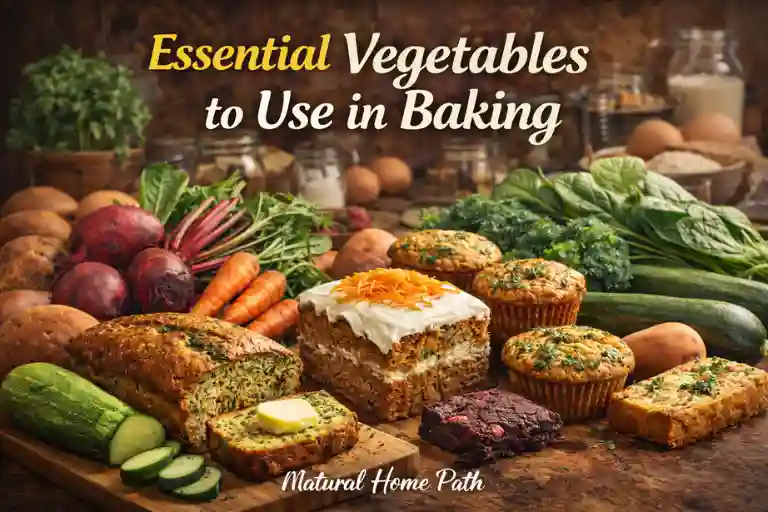
When baking with vegetables, choosing the right ones is key. Some vegetables work perfectly in sweet baked goods, while others shine in savory treats. For sweet recipes, try zucchini, carrots, and sweet potatoes. These vegetables add natural sweetness and moisture to cakes, muffins, and breads. Zucchini bread is a classic favorite, while carrot cake is a delicious way to enjoy the health benefits of vegetables. For savory bakes, consider spinach, cauliflower, or squash. These vegetables add flavor and texture to breads, muffins, and even pizza crusts. Beets are also a great addition to brownies or cakes, giving them a rich color and a naturally earthy flavor. Experiment with these veggies to create nutrient-packed, tasty treats!
How to Incorporate Vegetables in Your Bakes
Incorporating vegetables into your baking doesn’t require a lot of extra effort. Start by preparing your vegetables properly — for example, grating zucchini or pureeing sweet potatoes before adding them to your batter. This helps distribute the vegetable evenly and prevents a soggy texture. When baking with carrots or pumpkin, make sure to squeeze out any excess moisture to avoid your bakes becoming too wet. If you’re using beets or spinach, finely chop them to avoid large chunks. It’s important to balance the flavors, vegetables often work best with spices like cinnamon, nutmeg, or garlic. Experiment with your favorite vegetables and find the right combination of flavor, moisture, and texture for perfect results!
Vegetable-Based Baking Substitutes for a Healthier Option
One of the best reasons to bake with vegetables is the opportunity to replace less healthy ingredients. For instance, you can replace butter or oil with mashed avocado or sweet potatoes for a creamy, lower-fat alternative. Carrots and zucchini can be used to replace eggs in vegan recipes, while bananas or applesauce can be used as natural sweeteners to reduce sugar content. Sweet potatoes, in particular, are fantastic for reducing both sugar and fat in baked goods, while adding extra fiber. These vegetable-based substitutes not only help you cut back on unhealthy fats and sugars but also boost the nutritional value of your favorite baked goods, making them a healthier choice for your family.
Creative Vegetable-Based Dessert Recipes
If you’re looking for creative ways to incorporate vegetables into your desserts, start with the classics! Zucchini bread and carrot cake are delicious, moist, and naturally sweetened with vegetables. If you’re feeling adventurous, try beetroot brownies or sweet potato pie for a rich, earthy flavor. For a twist on classic cookies, add zucchini or pumpkin to your batter. These vegetables provide added moisture and nutrition without compromising taste. You can also bake spinach cupcakes or carrot muffins, perfect for a healthy snack or breakfast treat. The best part? Vegetables add natural sweetness, which means you can reduce sugar without sacrificing flavor. So, next time you’re in the mood for dessert, give these veggie-based recipes a try!

Savory Veggie Baking
Vegetables aren’t just for sweets they also shine in savory bakes. Try adding spinach, carrots, or zucchini to savory muffins, breads, or even pizza crusts. Cauliflower bread is a great alternative to traditional bread and adds a nutritious punch. Sweet potato muffins make for a hearty snack, while zucchini bread pairs perfectly with soups or salads. For a unique savory option, try carrot and ginger scones, or make a batch of vegetable crackers using squash or pumpkin. These savory bakes are perfect for those looking to enjoy more veggies in their meals. Plus, they offer a great way to sneak in vegetables for kids who are picky eaters. The possibilities are endless when it comes to savory veggie baking!

The Best Baking Techniques for Vegetables
When baking with vegetables, getting the perfect texture can be tricky. The key is to manage moisture. Some vegetables, like zucchini and carrots, release water as they bake, which can make your batter too runny. To prevent this, squeeze out excess moisture from vegetables before adding them to your recipe. Grating vegetables is a great way to ensure they’re evenly distributed in the batter, which helps prevent large chunks that can throw off texture. For a firmer texture, you can also roast vegetables before adding them to your bakes. This enhances their flavor and helps reduce moisture content. With a few simple adjustments, you can achieve a perfectly moist and flavorful bake every time!
Storing and Freezing Vegetable Bakes
One of the best things about vegetable-based baked goods is that they store and freeze well. After baking, let your cakes, muffins, or breads cool completely before storing them in an airtight container. To extend their shelf life, store them in the fridge for up to a week. If you want to freeze your veggie bakes, wrap them tightly in plastic wrap or foil, then place them in a freezer-safe bag. When you’re ready to enjoy them, simply thaw them at room temperature or warm them in the oven. Freezing is a great option for meal prepping or making a batch of veggie muffins ahead of time for quick snacks. You can enjoy fresh, healthy veggie bakes any time with minimal effort!
Common Mistakes to Avoid When Baking with Vegetables
Baking with vegetables may sound simple, but there are a few common mistakes to watch out for. One of the biggest issues is too much moisture. Vegetables like zucchini and carrots can release water as they bake, which can cause your batter to become soggy. To avoid this, be sure to drain or squeeze out excess moisture before adding vegetables to your mixture. Another mistake is overmixing your batter. Since vegetables already contribute moisture, overmixing can cause your bakes to turn out dense or tough. Finally, underbaking is a common mistake when baking with vegetables. Be sure to follow your recipe’s baking time and check for doneness by inserting a toothpick into the center of your bake. Avoid these mistakes for perfect veggie bakes!
Frequently Asked Questions
Can I bake with any vegetable?
Yes, vegetables like zucchini, carrots, sweet potatoes, and pumpkin work well in both sweet and savory bakes.
How do I prevent sogginess in vegetable bakes?
To avoid sogginess, drain excess moisture from vegetables like zucchini and spinach before adding them to the batter.
Can I replace sugar with vegetables in baking?
Yes, sweet potatoes, carrots, and pumpkin can replace sugar, adding natural sweetness and moisture.
Are vegetable-based bakes suitable for kids?
Yes, vegetables like carrots and zucchini can be hidden in muffins or cakes, offering a healthy treat kids will love.
Can I make vegetable-based baked goods gluten-free?
Yes! Use gluten-free flour or almond flour to make vegetable-based bakes gluten-free.
Conclusion
Incorporating vegetables into your baking is not only a creative way to enhance the flavor and texture of your treats, but it’s also a healthier alternative to traditional baking. From zucchini bread to carrot cake, and even savory vegetable muffins, the possibilities are endless. Using vegetables in your baked goods allows you to reduce sugar, add moisture, and boost nutrition. Whether you’re looking for a sweet dessert or a savory snack, there’s a vegetable-based recipe for every craving. So, next time you bake, try adding some vegetables to your recipe, you’ll be surprised at how delicious and nutritious your treats can be!