

After testing this Lion House rolls recipe multiple times, I’ve refined a method that gives soft, fluffy dinner rolls with consistent results every single time. This is not just another homemade Lion House rolls guide, it’s a foolproof, step-by-step method designed to help you succeed, even if you’re new to baking.
By following this process, you’ll learn how to make Lion House rolls step by step without guesswork. From activating yeast to shaping the dough, every detail is simplified so you can achieve perfect dinner rolls every time. If you’ve struggled with dense or dry bread before, this method will help you create light, airy, buttery rolls that truly feel bakery-quality.
The Secret Behind Lion House Rolls
The real secret behind this Lion House rolls recipe is the enriched dough. Unlike basic bread, enriched dough includes butter, sugar, and milk, which create that signature soft, fluffy dinner rolls texture everyone loves.
Here’s how it works in simple terms. Yeast helps the dough rise and creates air pockets. Sugar feeds the yeast and adds a slight sweetness, while also helping the rolls turn golden brown. Butter (fat) makes the dough tender and gives you that light, airy bread rolls feel instead of something dense.
This balance is what turns ordinary dough into ultra soft dinner rolls. If any part is off, you may end up with heavy bread. That’s why understanding this process is key to making perfect Lion House rolls every time.
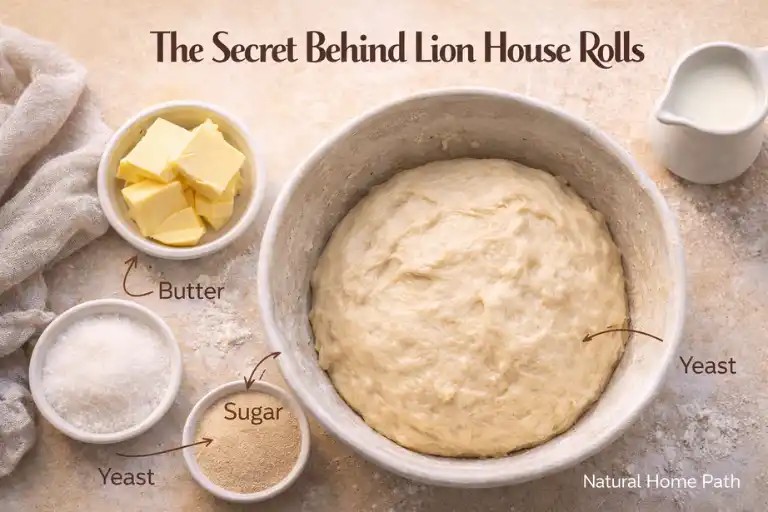
Ingredients Breakdown
To make the best Lion House rolls recipe, it’s important to understand why each ingredient matters. This helps you create soft, fluffy dinner rolls every time.
Flour → Structure: Flour builds the base of your dough. It forms gluten, which gives your homemade dinner rolls their shape and soft chew. Too much flour can make rolls dense, so measure carefully.
Yeast → Rise: Yeast is what makes your soft yeast rolls light and airy. It creates gas bubbles that help the dough rise. Always use active, fresh yeast for the best results.
Sugar → Softness + Browning: Sugar feeds the yeast and helps create that golden brown rolls finish. It also keeps the texture soft and slightly sweet, just like classic Lion House dinner rolls.
Butter → Richness: Butter adds flavor and makes the rolls tender. It’s the key to achieving that buttery, fluffy dinner rolls texture everyone loves.
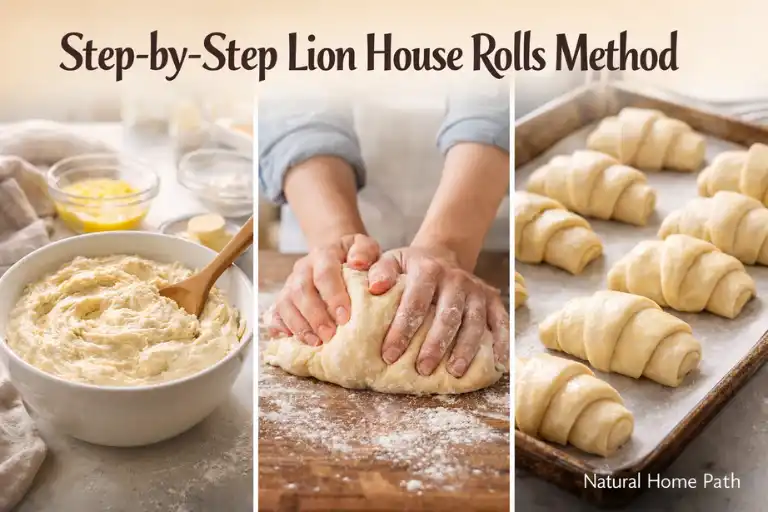
Step-by-Step Method
Follow this step-by-step Lion House rolls recipe carefully to get soft, fluffy dinner rolls with perfect texture every time.
Mixing Technique: Start by combining warm milk, sugar, and yeast. Let it sit until foamy, this means your yeast is active. Add butter, eggs, and flour gradually to form a soft dough. Proper mixing ensures your homemade Lion House rolls turn out smooth and well-balanced.
Kneading Science: Knead the dough until it becomes soft and elastic. This develops gluten, which is key for light and airy bread rolls. The dough should feel slightly tacky, not dry.
Proofing Timing: Let the dough rise until doubled in size. This step is crucial for fluffy dinner rolls. Under-proofing leads to dense rolls, while proper timing gives you perfect dinner rolls every time.
Shaping Method: Roll out the dough and shape into classic crescent-style rolls. Even shaping helps them bake evenly and creates that signature Lion House rolls look and texture.
Dough Science Explained
Understanding a little science will help you master this Lion House rolls recipe and get soft, fluffy dinner rolls every time.
Gluten Development: When you knead the dough, gluten forms and creates structure. This is what gives your homemade dinner rolls their soft yet slightly chewy texture. Proper kneading leads to light and airy bread rolls.
Fermentation Process: As the dough rests, yeast ferments the sugars and releases gas. This creates air pockets, making your soft yeast rolls rise and become fluffy. It also adds flavor to your copycat Lion House rolls.
Why Double Rise Matters: The first rise builds structure, while the second rise improves texture. Skipping this step can result in dense rolls. A proper double rise ensures ultra soft dinner rolls with a smooth, bakery-style finish.
Troubleshooting Guide
Even the best Lion House rolls recipe can go wrong if small details are missed. Here’s how to fix common problems and still get soft, fluffy dinner rolls.
Dough Didn’t Rise: This usually means your yeast is inactive or the liquid was too hot. Always use fresh yeast and warm milk, not hot. If your dough doesn’t rise, your homemade dinner rolls won’t be light and airy.
Rolls Are Dense: Dense rolls often come from under-proofing or too much flour. Let the dough fully double in size and keep it slightly soft. This helps create ultra soft dinner rolls instead of heavy bread.
Rolls Collapsed: Over-proofing can cause rolls to rise too much and then fall. Bake at the right time to maintain structure in your fluffy dinner rolls.
Sticky Dough Issues: Sticky dough is normal, but too much can be hard to handle. Lightly flour your hands instead of adding excess flour to keep your soft yeast rolls tender.
Texture Optimization Guide
If you want truly pillow-soft Lion House rolls, small details make a big difference. This is where many homemade dinner rolls fail but with the right approach, you’ll get ultra soft dinner rolls every time.
How to Get “Pillow-Soft” Rolls: Keep your dough slightly soft and avoid adding too much flour. A tender dough leads to light and airy bread rolls with that signature softness.
Hydration Balance: The right balance of liquid is key. Too little makes rolls dry, while too much can make them dense. A well-hydrated dough creates soft, fluffy dinner rolls with a smooth texture.
Baking Temperature Effects: Bake at the correct temperature so the rolls rise properly without drying out. Too hot can harden the crust, while the right heat gives you golden brown rolls that stay soft inside.
Make-Ahead & Time-Saving Methods
One of the best things about this Lion House rolls recipe is that you can prepare it in advance without losing that soft, fluffy dinner rolls texture.
Overnight Dough: Prepare the dough and let it rise in the fridge overnight. This slow process improves flavor and helps you get light and airy bread rolls the next day with less effort.
Same-Day Quick Method: Let the dough rise in a warm place to speed things up. This method still gives you perfect dinner rolls every time, just in less time.
Freezer Prep: You can freeze shaped rolls before baking. When needed, thaw, let them rise, and bake fresh. This is perfect for holidays when you want homemade Lion House rolls ready without stress.
Baking Process
To get bakery-quality Lion House rolls, the baking process matters just as much as the dough. These simple techniques will help you achieve soft, fluffy dinner rolls with a perfect finish.
Oven Positioning: Place your tray in the center of the oven. This allows even heat circulation, helping your homemade dinner rolls bake evenly without overbrowning the top or undercooking the bottom.
Steam Technique: Adding a little steam in the oven (like placing a small pan of hot water) helps keep the surface moist. This allows the rolls to expand better, giving you light and airy bread rolls with a soft crust.
Even Browning Tips: Brush the tops with butter before or after baking for that classic golden brown rolls look. Rotate the tray halfway through baking to ensure all your soft yeast rolls bake evenly.
Flavor Enhancements & Variations
Once you master this Lion House rolls recipe, you can easily customize it to create new flavors while keeping that soft, fluffy dinner rolls texture.
Honey Glaze: Brush warm rolls with a mix of butter and honey for a light sweetness. This creates a glossy finish and turns your homemade Lion House rolls into a perfect side for both meals and snacks.
Garlic Butter Topping: For a savory twist, brush the rolls with melted butter, garlic, and herbs. This adds bold flavor while keeping the inside light and airy, just like classic soft yeast rolls.
Sweet vs Savory Versions: You can adjust the recipe to suit your taste. Add a bit more sugar for sweeter rolls or reduce it for a balanced flavor. This flexibility makes these buttery dinner rolls perfect for any occasion.
Storage, Freezing & Reheating
To keep your Lion House rolls fresh and soft, proper storage is key. This helps maintain that soft, fluffy dinner rolls texture even after baking.
Best Storage Method: Store your homemade dinner rolls in an airtight container at room temperature for up to 2–3 days. This prevents them from drying out and keeps them light and airy.
Freeze Before vs After Baking: You can freeze the dough before baking or freeze fully baked rolls. Freezing before baking gives you fresh copycat Lion House rolls anytime, while freezing after baking is great for quick meals.
Reheat Tips for Softness: To reheat, wrap rolls in foil and warm them in the oven. You can also brush with butter before heating to restore that buttery, fluffy dinner rolls texture.
Serving Ideas for Every Occasion
These Lion House rolls are incredibly versatile and pair well with many meals. Their soft, fluffy dinner rolls texture makes them perfect for both everyday meals and special occasions.
Thanksgiving: Serve these homemade Lion House rolls alongside turkey, gravy, and classic sides. Their buttery flavor makes them a must-have for any holiday table, especially as thanksgiving dinner rolls.
Dinner Parties: These copycat Lion House rolls add a warm, homemade touch to any dinner gathering. Serve them with soups, roasted meats, or pasta dishes to impress your guests with light and airy bread rolls.
Breakfast: Enjoy these rolls in the morning with butter, jam, or honey. You can even turn them into mini sandwiches. Their soft texture makes them ideal homemade dinner rolls for both sweet and savory breakfasts.

Frequently Asked Questions
Can I use bread flour for this Lion House rolls recipe?
Yes, you can use bread flour, but all-purpose flour works best for soft, fluffy dinner rolls. Bread flour creates more gluten, which can make your homemade dinner rolls slightly chewier instead of light and tender.
What yeast is best for Lion House rolls?
Both active dry yeast and instant yeast work well. Active dry yeast needs to be activated first, while instant yeast can be mixed directly into the dough. Using fresh yeast ensures your soft yeast rolls rise properly.
How long should I knead the dough?
Knead the dough for about 8–10 minutes until it becomes smooth and elastic. Proper kneading is key to achieving light and airy bread rolls with a soft texture.
Why are my rolls tough instead of soft?
Tough rolls usually happen because of over-kneading or adding too much flour. To get ultra soft dinner rolls, keep the dough slightly soft and avoid overworking it.
Can I make Lion House rolls ahead of time?
Yes, you can prepare the dough in advance and refrigerate it overnight. This method helps you get perfect dinner rolls every time while saving time on busy days.
Conclusion
Making the perfect Lion House rolls recipe at home is easier than it seems when you follow the right method. With a clear understanding of the process and a few simple tips, you can create soft, fluffy dinner rolls that turn out perfect every time.
From mastering the dough to baking with confidence, each step helps you achieve light and airy bread rolls with a rich, buttery flavor. Whether you’re preparing for holidays, family dinners, or everyday meals, these homemade Lion House rolls will always impress.
Now that you know how to make Lion House rolls step by step, you can bake with confidence and enjoy truly perfect dinner rolls every time.
Recipe Card Summary
Recipe Name: Lion House Rolls Recipe
Description: Soft, fluffy, and buttery Lion House rolls made with a foolproof method for perfect results every time.
Prep Time: 20 minutes
Rise Time: 1 hour 30 minutes
Cook Time: 15–18 minutes
Total Time: ~2 hours
Servings: 18–24 rolls
Cuisine: American
Course: Bread / Side Dish
Ingredients:
- 4 cups all-purpose flour
- 2 ¼ tsp active dry yeast
- 1 cup warm milk
- ⅓ cup sugar
- ⅓ cup butter (melted)
- 1 tsp salt
- 2 eggs
Instructions:
- Activate yeast in warm milk with sugar until foamy.
- Add butter, eggs, and salt. Mix well.
- Gradually add flour to form a soft dough.
- Knead until smooth and elastic.
- Let dough rise until doubled in size.
- Shape into rolls and let rise again.
- Bake at 375°F (190°C) until golden brown.
Tips:
- Keep dough slightly soft for ultra soft dinner rolls
- Avoid adding too much flour
- Brush with butter after baking for extra softness
Storage:
Store in an airtight container for up to 3 days or freeze for longer storage.