

This brilliant banana bread recipe is everything a homemade loaf should be soft, moist, and full of rich banana flavor. It’s not just another banana bread recipe. This version uses overripe bananas, balanced sweetness, and the right baking method to create a super moist banana bread with a tender crumb every time.
Unlike a basic banana loaf, this recipe focuses on texture. The inside stays soft, while the top develops a light golden crust just like a bakery-style banana bread. It’s simple enough for beginners but reliable enough to become your go-to easy banana bread recipe.
Whether you want a classic banana bread, a chocolate chip twist, or even a healthy variation, this loaf delivers consistent, delicious results every time.
Ingredients You’ll Need
The secret to making super moist banana bread starts with the right ingredients. Each one affects texture, sweetness, and structure. Whether you’re baking a classic banana bread, a vegan banana bread, or a gluten free banana bread, understanding your ingredients makes this brilliant banana bread recipe truly foolproof.
Core Ingredients
Overripe Bananas: The darker and softer the bananas, the better. Overripe bananas for baking add natural sweetness and keep your banana bread moist and soft.
Flour Options (All-Purpose or Oat Flour): All-purpose flour creates structure. For gluten free banana bread, use oat flour or a gluten-free blend.
Butter vs Oil: Butter adds flavor. Oil creates a softer, bakery-style banana bread. Oil usually makes a more moist banana bread.
Brown Sugar vs White Sugar: Brown sugar adds moisture and depth. White sugar keeps it lighter. Brown sugar helps create a soft and tender crumb.
Optional Add-Ins
Chocolate Chips: Perfect for banana bread with chocolate chips and extra sweetness.
Walnuts: Add crunch and balance. Ideal for banana bread with walnuts.
Streusel Topping: Creates a bakery-style finish with a sweet crumble top.
Banana Chips: Great for decoration and extra banana flavor.
Ingredient Substitution Chart
This is where this recipe becomes flexible. Use this guide to adapt your easy banana bread recipe to your needs:
| Original Ingredient | Substitute Option | Best For |
| 1 Egg | 1 tbsp flaxseed + 3 tbsp water | Vegan banana bread |
| Butter | Coconut oil or neutral oil | Dairy-free banana bread |
| All-purpose flour | Oat flour or GF blend | Gluten free banana bread with oats |
| White sugar | Coconut sugar | Healthy banana bread |
| Brown sugar | Maple syrup (reduce liquid slightly) | Lower refined sugar |
| Whole milk | Almond or oat milk | Dairy-free option |
These swaps allow you to create a healthy high fiber banana bread, an egg-free banana bread, or even a lighter version without sacrificing texture.

Step-by-Step Instructions (One Bowl Method)
This easy banana bread recipe uses a simple one bowl method, which means less mess and better texture. Follow these steps for a super moist banana bread every time.
1. Prep Tips: Preheat your oven to 350°F (175°C) the ideal banana bread baking temperature for even cooking. Lightly grease a loaf pan or line it with parchment paper. Measure your ingredients carefully, especially flour. Too much flour can make your banana bread dense instead of soft.
2. Mixing Technique: In a large bowl, mash your overripe bananas until mostly smooth. Add sugar, eggs, oil or butter, and mix gently. Then fold in the flour and baking soda. Stir just until combined.
3. How Not to Overmix: Overmixing develops too much gluten, which leads to a heavy loaf. Mix until you no longer see dry flour small lumps are fine. This keeps your moist banana bread light and tender.
4. Pan Preparation: Pour the batter evenly into your prepared loaf pan. Smooth the top lightly. If making banana bread with chocolate chips or walnuts, sprinkle some on top for a bakery-style look.
5. Baking Time & Temperature: Bake for 50–60 minutes at 350°F. Ovens vary, so check around 50 minutes. The top should be golden brown, and a toothpick inserted in the center should come out with a few moist crumbs.
6. Internal Temperature for Doneness: For perfect results, use a thermometer. The internal temperature should reach 200–205°F (93–96°C). This ensures your brilliant banana bread recipe is fully baked but still soft inside.

Baking Science – Why This Recipe Works
Understanding the science behind this brilliant banana bread recipe helps you get perfect results every time. Small details make a big difference in texture and flavor.
Role of Bananas in Moisture: Overripe bananas are packed with natural sugars and water. As they bake, they release moisture into the batter. This keeps your moist banana bread soft without needing extra liquid. The natural sugar also helps create a tender crumb and rich flavor.
Why Brown Sugar Makes It Soft: Brown sugar contains molasses. Molasses attracts and holds moisture during baking. That’s why using brown sugar helps create a soft and tender banana bread. It also adds a deeper, caramel-like flavor compared to white sugar.
Oil vs Butter – Texture Science: Butter gives flavor, but oil creates a softer texture. Oil stays liquid at room temperature, which helps keep your super moist banana bread soft even the next day. Butter firms up when cool, which can make the loaf slightly denser.
Why Banana Bread Becomes Dense: A dense banana bread usually happens because of:
- Too much flour
- Overmixing the batter
- Not enough leavening
Overmixing develops too much gluten, making the loaf heavy instead of light.
Why Banana Bread Sinks in the Middle: If your loaf sinks, it may be underbaked or have too much moisture. Always bake at the correct banana bread baking temperature and check the internal temperature (200–205°F) for doneness.
How to Ripen Bananas Fast
Need to make brilliant banana bread but your bananas aren’t ready? Don’t worry. You can quickly ripen bananas using simple methods. These tricks help you get that sweet flavor needed for banana bread using overripe bananas.
Oven Method (Fastest Way): Preheat your oven to 300°F (150°C). Place unpeeled bananas on a baking sheet. Bake for 15–25 minutes until the skins turn black and soft. Let them cool before using. This method softens the fruit and brings out natural sweetness, perfect for moist banana bread.
Paper Bag Method (1–2 Days): Place bananas in a brown paper bag and fold it closed. For faster results, add an apple inside. Leave at room temperature for 24–48 hours.
Freezing Method: If bananas are slightly ripe, peel and freeze them. When thawed, they become soft and sweet ideal for easy banana bread recipes.
Moisture Secrets
If you want super moist banana bread every single time, small details matter. These simple tips will help you avoid a dry or dense loaf and give you that soft, bakery-style texture.
Measure Flour Correctly: Too much flour is the #1 reason for dense banana bread. Always spoon flour into your measuring cup and level it off with a knife. Do not scoop directly from the bag. Extra flour absorbs moisture and makes the bread heavy instead of soft.
Do Not Overbake: Overbaking dries out even the best banana bread recipe. Start checking at 50 minutes. Remove the loaf when a toothpick shows a few moist crumbs. The internal temperature should be 200–205°F for perfect doneness.
Use the Proper Banana Ratio: For a truly moist banana bread, use at least 1 to 1½ cups of mashed overripe bananas. Too little banana reduces moisture and flavor.
Store Immediately After Cooling: Once cooled, wrap the loaf tightly in plastic wrap or store in an airtight container. This locks in moisture and keeps your brilliant banana bread soft for days.
Banana Bread Variations
One of the best things about this brilliant banana bread recipe is how flexible it is. You can easily adjust it to fit your diet or flavor preference without losing that soft and moist texture.
Vegan Version: To make a vegan banana bread, replace each egg with a flax egg (1 tablespoon flaxseed + 3 tablespoons water). Use plant-based butter or oil and dairy-free milk. The result is a vegan banana bread without eggs or dairy that stays tender and flavorful. Oil works especially well to keep it super moist.
Gluten-Free Version: For a gluten free banana bread, swap all-purpose flour with oat flour or a gluten-free baking blend. Oat flour creates a slightly heartier crumb and pairs well with walnuts. This makes a delicious gluten free banana bread with oats that still tastes rich and soft.
Healthy High-Fiber Version: To create a healthy banana bread, reduce sugar slightly and use whole wheat flour or oat flour. Add chia seeds or flaxseed for extra fiber. This version becomes a healthy high fiber banana bread recipe that’s filling and nutritious.
Chocolate Chip Version: Fold in ½ to 1 cup of chocolate chips to make banana bread with chocolate chips. For extra indulgence, use dark chocolate. It melts into sweet pockets, making the loaf perfect for dessert.
Bakery-Style Banana Bread: For that bakery-style banana bread look, sprinkle coarse sugar on top before baking. You can also add a light streusel topping. Bake until golden brown for a crisp top and soft, tender crumb inside.
Troubleshooting Guide
Even a reliable banana bread recipe can sometimes give unexpected results. If your brilliant banana bread didn’t turn out exactly right, the issue is usually small and easy to fix.
Why Is My Banana Bread Dry: Dry banana bread often happens when too much flour is added or the loaf is baked too long. Flour absorbs moisture, so even a little extra can make your moist banana bread turn dry. Not using enough overripe bananas can also reduce softness. Always measure flour carefully and remove the loaf once the internal temperature reaches 200–205°F to keep the crumb soft.
Why Is It Gummy: A gummy texture usually means the bread was underbaked. It can also happen if there is too much banana in the batter. Another common mistake is slicing the loaf while it is still warm. Let your banana bread cool completely so the inside can fully set.
Why Did It Collapse: If your loaf sinks in the center, it is often underbaked or overmixed. Overmixing weakens the structure and traps too much air. Baking at the correct banana bread baking temperature helps the loaf rise evenly and stay stable.
Why Is It Dense: A dense banana bread is usually caused by overmixing or adding too much flour. Old baking soda can also prevent proper rising. Mix gently and always check that your leavening is fresh.
Why Is the Center Raw: If the top looks done but the center is raw, the oven temperature may be too high. The outside cooks faster than the inside. Use an oven thermometer and always test the center before removing your brilliant banana bread recipe from the oven.
Storage & Shelf Life Guide
Proper storage is the key to keeping your brilliant banana bread soft and fresh. Whether you baked a classic banana bread, a gluten free banana bread, or a vegan banana bread, the right method will protect its texture and flavor.
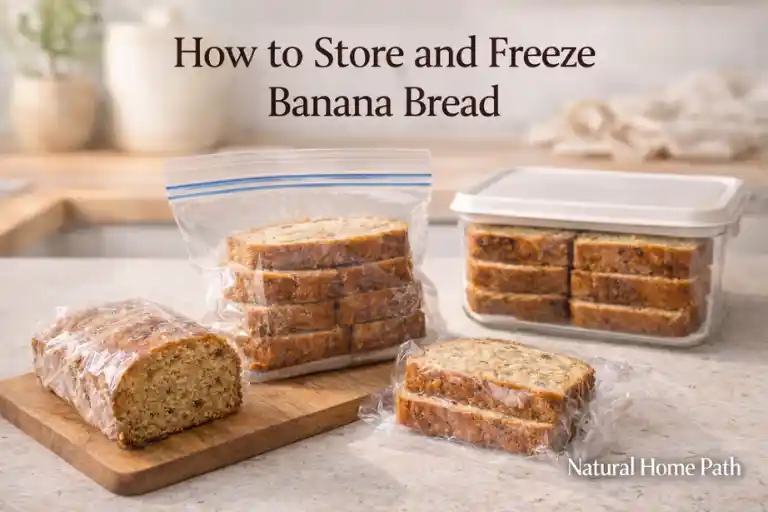
Room Temperature Storage: If you plan to eat your moist banana bread within a few days, store it at room temperature. Let the loaf cool completely, then wrap it tightly in plastic wrap or place it in an airtight container. This locks in moisture and prevents it from drying out. Keep it in a cool, dry place away from direct sunlight.
Refrigeration Tips: Refrigeration can sometimes dry out baked goods, but if your kitchen is warm, it may be necessary. Wrap the loaf tightly before placing it in the fridge. Warm slices slightly before serving to restore softness.
Freezing Instructions: You can absolutely freeze banana bread. Slice the loaf and wrap each piece individually before placing them in a freezer-safe bag. This makes it easy to thaw one slice at a time. Frozen banana bread that freezes well can last for months without losing flavor.
How Long It Lasts: At room temperature, banana bread stays fresh for about three to four days. In the refrigerator, it can last up to one week. In the freezer, it keeps well for up to three months while still maintaining that soft and tender crumb.
Nutrition Facts & Calories
Many recipes skip nutrition details, but understanding what’s inside your brilliant banana bread helps you make smarter choices. Whether you’re baking a classic banana bread, a healthy banana bread, or a gluten free banana bread, the numbers can vary slightly based on ingredients.
Estimated Calories: On average, one slice of traditional moist banana bread (about 1 inch thick) contains around 200–250 calories. Adding chocolate chips or streusel topping will increase the calorie count, while reducing sugar or using oat flour may lower it slightly.
Macros Overview: A standard slice typically contains moderate carbohydrates from flour and bananas, small amounts of protein from eggs and flour, and fats from butter or oil. Using oil may slightly increase fat content, while whole wheat or oat flour can increase fiber, making it a healthy high fiber banana bread recipe option.
Health Comparison Between Versions: A vegan banana bread without eggs or dairy may have similar calories but different fat sources depending on the oil used. A gluten free banana bread with oats can provide more fiber. A reduced-sugar version lowers overall sweetness while still keeping the loaf soft and satisfying.
Best Tools for Perfect Banana Bread
Using the right tools can make a big difference in how your brilliant banana bread recipe turns out. While this is an easy banana bread recipe, a few simple kitchen tools help ensure even baking, proper texture, and consistent results every time.
Best Loaf Pan: A standard 9×5-inch loaf pan is ideal for most banana bread recipes. Metal pans bake more evenly and create a golden crust. Glass pans work too, but they may require slightly longer baking time. Choosing the correct size prevents your banana bread from sinking in the middle or becoming underbaked.
Mixing Bowl Type: A large mixing bowl gives you space to gently fold ingredients without overmixing. Overmixing can lead to dense banana bread, so having room to stir comfortably helps maintain a soft and tender crumb.
Oven Thermometer: Oven temperatures are not always accurate. An oven thermometer ensures your banana bread baking temperature stays at 350°F. This prevents overbaking, dryness, or a raw center.
Cooling Rack: After baking, transfer your loaf to a cooling rack. This allows air to circulate and prevents the bottom from becoming soggy. Proper cooling keeps your moist banana bread perfectly textured and ready to slice.
Frequently Asked Questions
Can You Freeze Banana Bread?
Yes, you can freeze banana bread. Let the loaf cool completely, then wrap it tightly in plastic wrap and place it in a freezer-safe bag. You can freeze the whole loaf or individual slices. Properly wrapped, banana bread that freezes well can last up to three months without losing moisture.
How Long to Bake Banana Bread?
Most banana bread recipes bake at 350°F for 50 to 60 minutes. Baking time may vary depending on your oven and loaf pan size. Start checking around the 50-minute mark.
Can I Use Frozen Bananas?
Yes, frozen bananas work perfectly for moist banana bread. Thaw them first and drain any excess liquid before mixing into the batter.
What Temperature Should Banana Bread Be Baked At?
The ideal banana bread baking temperature is 350°F (175°C). This allows the loaf to cook evenly without burning the top.
How Do I Know When It’s Done?
Insert a toothpick into the center. It should come out with a few moist crumbs but no wet batter. For accuracy, the internal temperature should reach 200–205°F.
Conclusion
This brilliant banana bread recipe is more than just a simple bake. It is a reliable, easy banana bread recipe that delivers a soft, moist texture and rich banana flavor every time. By using overripe bananas, measuring carefully, and baking at the correct banana bread baking temperature, you can avoid common mistakes like dryness or a dense center.
Whether you prefer a classic banana bread, a vegan banana bread without eggs or dairy, or a gluten free banana bread with oats, this recipe adapts beautifully. With the right technique and storage tips, your loaf will stay fresh, tender, and delicious for days.
Once you try this method, it may become your go-to recipe whenever you have ripe bananas waiting on the counter.
Recipe Card Summary
Yield: 1 (9×5-inch loaf)
Servings: 8–10 slices
Prep Time: 15 minutes
Bake Time: 50–60 minutes
Total Time: About 1 hour 10 minutes
Oven Temperature: 350°F (175°C)
Internal Temperature for Doneness: 200–205°F
Ingredients
2–3 overripe bananas (1 to 1½ cups mashed)
½ cup oil or melted butter
¾ cup brown sugar (or white sugar)
2 large eggs
1½ cups all-purpose flour
1 teaspoon baking soda
½ teaspoon salt
1 teaspoon vanilla extract
Optional Add-Ins:
½–1 cup chocolate chips
½ cup chopped walnuts
Streusel topping or coarse sugar
Tools Needed
9×5-inch loaf pan
Large mixing bowl
Measuring cups and spoons
Spatula or wooden spoon
Oven thermometer
Cooling rack
Instructions
- Preheat oven to 350°F (175°C). Grease or line a 9×5-inch loaf pan.
- In a large bowl, mash the overripe bananas until mostly smooth.
- Add sugar, eggs, oil or melted butter, and vanilla. Stir gently to combine.
- Add flour, baking soda, and salt. Mix just until no dry flour remains. Do not overmix.
- Fold in chocolate chips or walnuts if using.
- Pour batter into prepared loaf pan and smooth the top.
- Bake for 50–60 minutes. Check at 50 minutes.
- Bread is done when a toothpick comes out with a few moist crumbs and internal temperature reaches 200–205°F.
- Cool in the pan for 10 minutes, then transfer to a cooling rack. Allow to cool completely before slicing.