
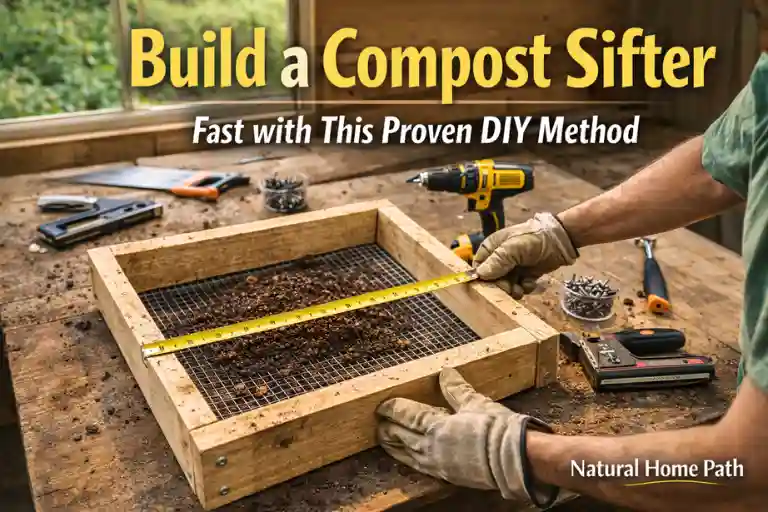
Creating a DIY compost sifter is one of the easiest ways to improve your garden soil and get fine compost ready for your plants. Whether you want to build a compost sifter for a small home garden or a larger vegetable patch, this guide will help you choose the right materials, tools, and design. A well-made sifter not only removes large debris like sticks and rocks but also ensures your compost is uniform and easy to use. From handheld sifters to wheelbarrow-style or even trommel/rotary sifters, there are options for every gardener. By the end of this guide, you’ll know how to make a compost sifter, understand which mesh size to use, and discover pro tips to make the process simple and efficient.
Why Every Gardener Needs a Compost Sifter
A compost sifter is more than just a tool—it’s a garden game-changer. By using a sifter, you can remove large debris, like sticks, stones, and unfinished compost, leaving behind fine, nutrient-rich soil. This makes it perfect for seed starting, potting mixes, or improving garden beds. A DIY compost sifter also saves time and effort because it allows you to sift large batches efficiently. Whether you choose a handheld sifter or a wheelbarrow compost sifter, having one helps you create uniform, high-quality compost that plants love. Even advanced gardeners benefit from using trommel or rotary sifters for bigger projects. Overall, a well-built compost sifter ensures your garden soil stays productive, healthy, and easy to work with.
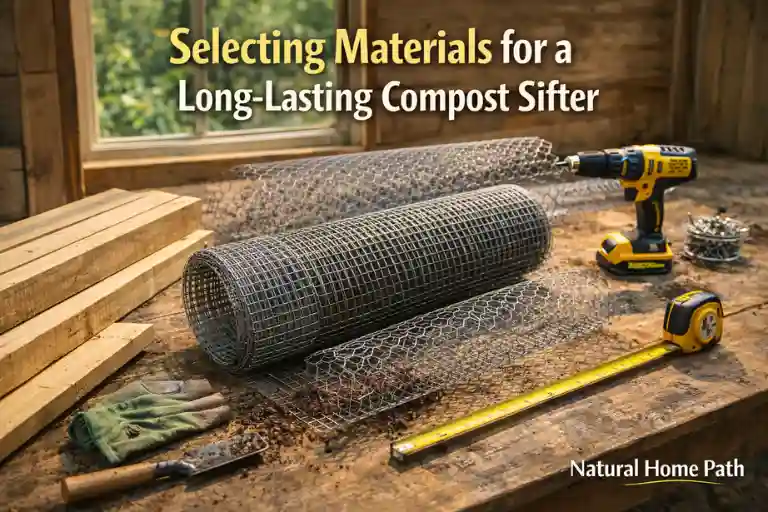
Selecting Materials for a Long-Lasting Compost Sifter
Choosing the right materials is key to building a durable DIY compost sifter. Start with strong wood for the frame, such as pine or cedar, or metal if you want extra strength. For the mesh, hardware cloth works best for long-term use, while chicken wire is suitable for light-duty sifters. You’ll also need screws, nails, and handles to make it easy to move. Choosing the right mesh size is important—¼” mesh for fine compost and ½” for general garden use. With the right materials and tools, you can build a homemade compost sifter that lasts years, works efficiently, and saves money compared to buying a pre-made sifter.
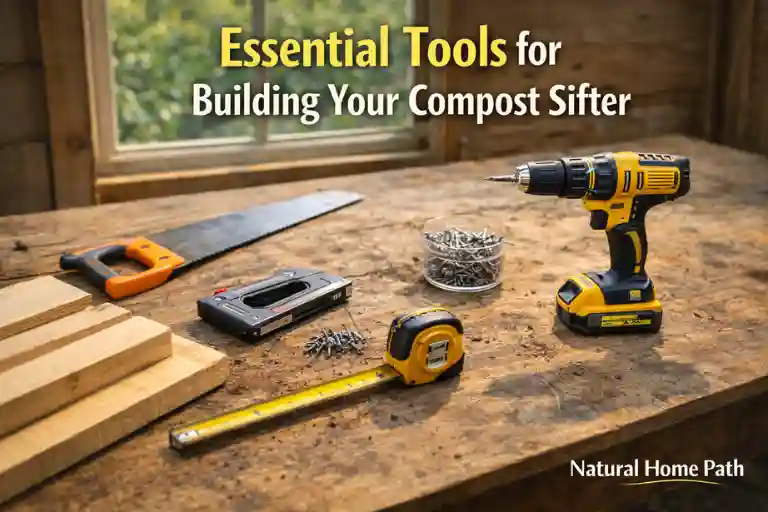
Essential Tools for Building Your Compost Sifter
Essential Tools
These are the core tools you’ll need for a sturdy, well-fitting compost sifter:
- Saw – For cutting wood pieces to the correct frame size
- Drill – Used to create pilot holes and secure screws
- Staple Gun – To firmly attach the mesh to the wooden frame
- Measuring Tape – Ensures accurate cuts and proper mesh fit
Optional Tools
These tools aren’t required, but they make the process easier and safer:
- Clamps – Hold wood pieces steady during assembly
- Workbench or Flat Surface – Provides stability while working
- Screwdriver – Useful if you prefer manual fastening
- Sandpaper – Smooths rough edges for safe handling
DIY Step-by-Step Assembly Guide
Building your DIY compost sifter is simple if you follow these steps carefully:
1: Measure and Cut the Frame
- Use strong wood like pine or cedar.
- Measure and cut the frame to the desired size for your garden needs.
2: Attach the Mesh
- Secure hardware cloth or chicken wire to the frame using staples or screws.
- Make sure the mesh is tight and flat for smooth sifting.
3: Add Handles
- Install handles for easy lifting and movement.
4: Adjust for Sifter Type
- Wheelbarrow-style: angle the mesh for smooth compost flow.
- Handheld sifter: keep it lightweight for small batches.
- Trommel/rotary sifter: build a rotating frame for larger volumes.
5: Check Stability
- Ensure your sifter is stable before using it to sift compost.
Comparing Sifter Designs
There are several compost sifter designs, each suited to different needs. A handheld sifter is lightweight and great for small gardens. Wheelbarrow-style sifters handle larger compost amounts with less effort. Trommel or rotary sifters are perfect for advanced gardeners who sift large volumes quickly. Each design has pros and cons: handheld is easy to store but slow; wheelbarrow is efficient but bulkier; trommel requires more effort to build but saves time in the long run. Choosing the right sifter depends on your garden size, compost quantity, and available space. By understanding the differences, you can build a DIY compost sifter that perfectly fits your gardening goals and daily composting routine.
Optimizing Your Sifter for Performance
To get the most out of your DIY compost sifter, consider a few key tips. Ergonomics matter—adjust handle height to reduce strain while sifting. Use the proper mesh size: ¼” for fine compost and seedlings, ½” for general soil. For large batches, sift in sections to avoid overloading the frame. Keep the sifter clean and dry for better performance and longevity. Adding supports or wheels can make moving it easier. By following these tips, your homemade compost sifter will be faster, safer, and more efficient, making it easier to produce nutrient-rich compost every time. Proper optimization ensures your sifter is not just functional, but a long-term garden companion.
Maintenance and Storage Tips
- Clean after each use: Remove debris stuck in the hardware cloth or chicken wire to keep the mesh clear.
- Check for damage: Inspect screws, staples, and handles regularly to ensure the frame stays sturdy.
- Store in a dry place: Prevent wood warping and metal rusting by keeping your sifter off the ground and away from moisture.
- Lubricate moving parts: For wheelbarrow or trommel sifters, oil hinges or rotating frames to ensure smooth operation.
- Proper off-season storage: Keep your sifter protected during long breaks to avoid damage and make it ready for immediate use.
- Regular maintenance: Following these tips keeps your DIY compost sifter safe, efficient, and ready to produce fine, nutrient-rich compost whenever needed.
Pro Tips for Efficient Compost Sifting
- Build multiple sifters with different mesh sizes for varied soil needs.
- Sift compost in batches for easier handling.
- Combine sifting with other garden prep tasks like removing sticks or stones.
- Label and store sifters to avoid confusion between fine and coarse compost.
- Keep your sifter clean, dry, and properly maintained to maximize lifespan.
With these pro tips, your DIY compost sifter becomes a reliable, long-term tool that makes your gardening simpler and more productive.
Creative Uses Beyond Standard Composting
A compost sifter isn’t just for compost! You can use it to prepare seed-starting soil, sift potting mixes, or remove rocks and debris from garden soil. Some gardeners even use it to blend different compost batches or create specialized soil amendments for specific plants. Handheld sifters are perfect for small pots, while wheelbarrow or trommel sifters handle bigger tasks. By thinking beyond standard composting, your DIY compost sifter becomes a versatile tool that saves time and improves soil quality throughout the garden. This approach adds value to your build and ensures you get the most from your sifter year-round.
Frequently Asked Questions
What mesh size is best for my compost sifter?
For fine compost that’s perfect for seedlings and potting mixes, a ¼” mesh works best. If you’re sifting general garden compost, a ½” mesh helps remove larger debris while keeping the process quick and efficient.
Can I build a compost sifter without power tools?
Absolutely. A DIY compost sifter can be built using simple hand tools like a saw, hammer, and staple gun. This makes it beginner-friendly and cost-effective, while still producing a durable, reliable sifter.
How long does it take to build a homemade compost sifter?
Most builds can be completed in about 1–2 hours, depending on the size and style. If you’re creating a trommel or rotary sifter, it may take a bit longer because of the rotating frame.
What type of sifter should I choose?
Handheld sifters are ideal for small gardens or light batches, wheelbarrow sifters are great for medium-to-large volumes, and trommel or rotary sifters are perfect for serious gardeners looking to handle large amounts of compost efficiently.
How do I keep my sifter in good condition?
Regular cleaning, checking screws and handles, and proper storage in a dry place will keep your DIY compost sifter working smoothly for years, producing fine, nutrient-rich compost every time.
Conclusion
Building your own DIY compost sifter is a simple way to improve your garden soil and make composting more efficient. By choosing the right materials, mesh size, and design, you can create a tool that perfectly fits your gardening needs—whether it’s a handheld sifter for small projects or a trommel sifter for large batches. With proper maintenance, smart storage, and a few handy tips, your sifter will last for years while producing fine, nutrient-rich compost that helps your plants thrive. Start building today, and enjoy the satisfaction of turning raw compost into perfect garden soil with your own hands.