
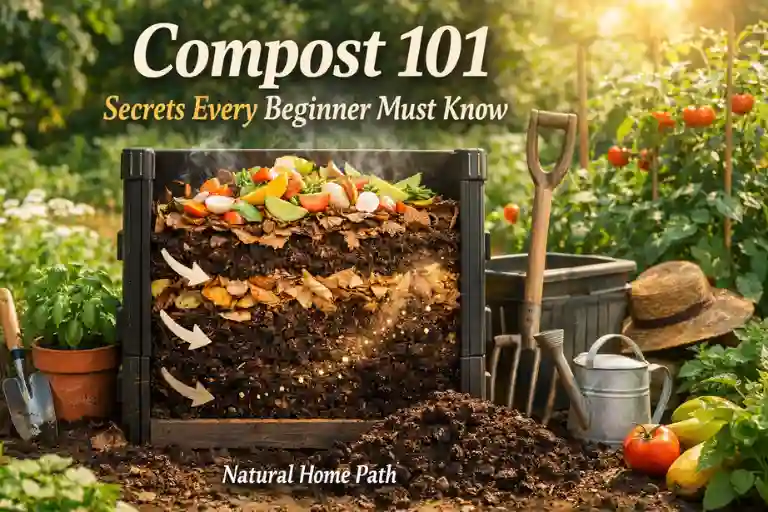
Welcome to Compost 101, your ultimate beginner’s guide to home composting! If you’ve ever wondered how to turn kitchen scraps, yard waste, and other organic materials into nutrient-rich soil for your garden, you’re in the right place. Composting is not only a simple way to reduce waste, but it also helps improve soil health, supports plant growth, and benefits the environment by reducing greenhouse gas emissions.
In this guide, we’ll walk you through everything you need to know — from choosing what to compost, to creating the perfect balance of greens and browns, and troubleshooting common issues. By the end, you’ll be ready to start your own home composting journey and enjoy the rewards of rich, natural compost for your garden.
What Is Composting
Composting is the natural process of turning organic waste into nutrient-rich soil, also called compost. It happens when microorganisms like bacteria and fungi break down kitchen scraps, garden clippings, and other organic materials. The result is a dark, earthy material that is perfect for enriching your garden soil.
There are several types of composting, including backyard composting, vermicomposting (using worms), and community composting programs. Home composting is easy to start with a simple bin or pile in your yard, while vermicomposting works well indoors or in small spaces. Understanding what can and cannot be composted is key to creating healthy, productive compost and avoiding issues like pests or odors.
Why Composting Matters
Composting is more than just a way to recycle food scraps — it has major benefits for your garden and the environment. By turning organic waste into compost, you improve soil structure, increase nutrient content, and help plants grow stronger and healthier. Compost also improves water retention, reducing the need for frequent watering.
On a larger scale, home composting reduces the amount of waste sent to landfills, which in turn lowers greenhouse gas emissions. Using compost instead of chemical fertilizers helps protect the environment and supports sustainable gardening practices. Whether you’re a beginner or experienced gardener, composting is an easy way to make a positive impact on your plants and the planet.
Composting Materials
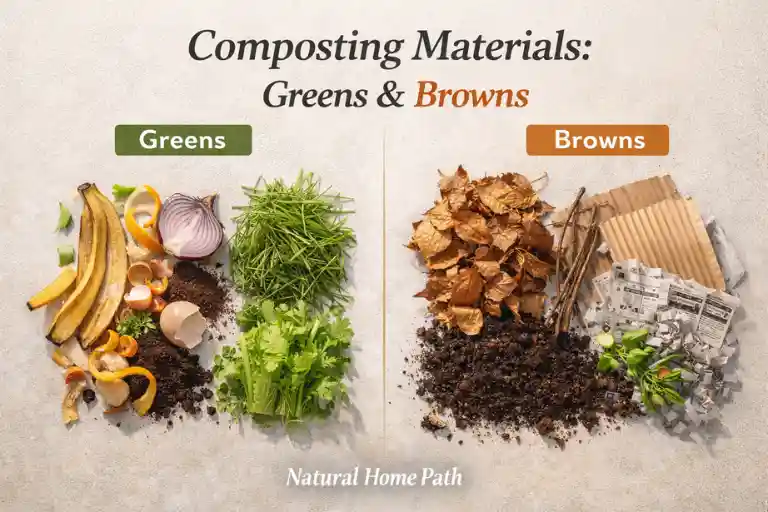
Building rich, healthy compost begins with selecting and balancing the right ingredients. Compost materials fall into two essential categories that work together to fuel decomposition and create nutrient-rich soil.
1. Green Materials (Nitrogen Providers): Green materials supply moisture and nitrogen, which help microorganisms thrive and break down organic matter efficiently. These items are typically fresh, soft, and quick to decompose.
Common green materials include:
- Fruit and vegetable scraps
- Coffee grounds and paper filters
- Fresh grass clippings
- Tea leaves and tea bags (plastic-free)
- Plant trimmings and garden waste
2. Brown Materials (Carbon Providers): Brown materials add carbon and structure to the compost pile. They help prevent odors, reduce excess moisture, and improve airflow.
Common brown materials include:
- Dry leaves
- Shredded newspaper (non-glossy)
- Cardboard pieces or egg cartons
- Straw or dried grass
- Small twigs and wood chips
Step-by-Step Home Composting
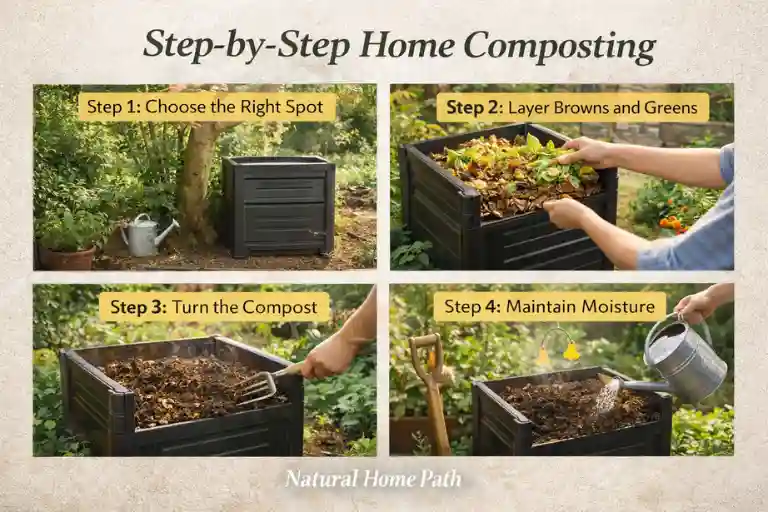
Starting home composting is simple when you follow a few easy steps. Here’s a clear breakdown:
Step 1. Choose the Right Spot: Pick a well-drained, shaded area in your yard or garden for your compost bin or pile. Shade prevents it from drying out too quickly, and good drainage keeps excess water from pooling.
Step 2. Layer Browns and Greens: Begin by layering browns (dry leaves, cardboard, straw) and greens (vegetable scraps, fruit peels, grass clippings) in a 3:1 ratio. This balance provides carbon and nitrogen, which are essential for microorganisms to break down the material.
Step 3. Turn the Pile Regularly: Use a garden fork or shovel to mix and turn the compost every few days. This adds air, helping microbes decompose the waste efficiently and preventing odor.
Step 4. Maintain Moisture: Your compost should feel like a damp sponge — not soggy or dry. Water lightly if it’s too dry, or add more browns if it’s too wet.
Step 5. Monitor and Troubleshoot: Watch for bad smells or pests. Adjust the mix of browns and greens, or aerate the pile more often to fix problems.
Advanced Composting Tips
Take your home composting to the next level with these practical tips:
- Indoor Composting for Small Spaces: Use compact bins or vermicomposting with worms if you live in an apartment or have limited outdoor space.
- Speed Up Decomposition: Add compost accelerators like shredded newspaper, garden soil, or finished compost to help materials break down faster.
- Balance Your Materials: Keep the proper greens-to-browns ratio (3:1) for optimal decomposition and prevent odors.
- Maintain Moisture and Airflow: Ensure your pile is damp but not soggy and turn it regularly to give microorganisms the oxygen they need.
- Seasonal Layering: Add autumn leaves or summer grass clippings to keep a year-round balance of organic materials.
- Monitor Quality: Healthy compost should be dark, crumbly, and earthy-smelling — adjust materials if it’s too wet, dry, or smelly.
Common Composting Mistakes
Even beginners can face challenges when starting home composting. Common mistakes include adding too many greens, which can create odors, or too many browns, which slow decomposition. Another mistake is failing to turn the pile regularly, which reduces airflow and slows down composting.
Avoid adding meat, dairy, or oils, as these attract pests. Monitor your compost moisture — too wet or too dry can affect breakdown. Regular observation and adjusting ratios, aeration, and moisture helps prevent problems. By learning from these common mistakes, you can create a successful composting system and enjoy nutrient-rich compost for your garden without frustration.
Using Finished Compost
After a few months, your compost becomes dark, crumbly, and earthy-smelling — ready to use in your garden. Spread it in flower beds, vegetable gardens, or lawns to enrich the soil and improve plant growth. Compost can also be mixed into potted plants or raised beds to add nutrients naturally.
Storage tips: keep finished compost in a covered bin or bag until you’re ready to use it. Using compost regularly reduces the need for chemical fertilizers, promotes healthy soil, and encourages sustainable gardening practices. By turning waste into rich, fertile compost, you’re helping your plants, your garden, and the environment at the same time.
Frequently Asked Questions
How long does it take to turn scraps into compost?
The time depends on your materials and care. With regular turning and a good mix of greens and browns, most home compost piles are ready in 2–6 months. Smaller indoor bins or vermicomposting may take less time.
Can I compost meat, dairy, or oily foods?
No — these items can attract pests and cause bad odors. Stick to vegetable scraps, fruit peels, coffee grounds, and yard waste for safe home composting.
Are worms necessary for composting?
Not always. Worms help speed up decomposition, especially in vermicomposting, but a regular backyard compost pile can thrive without them if you maintain proper moisture and airflow.
How do I compost during winter?
Keep your pile insulated with extra browns like leaves or straw. Turning it occasionally and maintaining moisture ensures your organic waste continues breaking down even in cold weather.
What should I do if my compost smells bad?
A strong odor usually means too many greens or poor air circulation. Add more browns, turn the pile well, and check moisture — it should feel like a damp sponge.
Conclusion
Composting 101 shows how easy it is to transform kitchen scraps and yard waste into rich soil for your garden. By following the steps, avoiding common mistakes, and using the right materials, you can enjoy healthy plants while reducing waste.
Start small, keep learning, and embrace home composting as a sustainable habit. Not only will your garden thrive, but you’ll also help the environment by reducing greenhouse gas emissions. Now it’s your turn — gather your greens and browns, set up a compost bin, and begin your composting journey today!