

A compost bin is a container or space where organic waste like food scraps, yard clippings, and leaves are turned into nutrient-rich compost. Composting is a natural process that helps reduce waste, improve soil quality, and support healthy plants. Using a compost bin is one of the easiest ways to contribute to a sustainable lifestyle at home.
There are many types of compost bins, including outdoor bins, DIY bins, tumblers, and two-bin systems, each designed for different spaces and needs. Whether you are a beginner gardener or just starting backyard composting, understanding how a compost bin works is the first step to making rich compost that will nourish your garden.
Why You Should Start Composting Today
Starting composting is one of the simplest ways to make a positive impact on the environment. By using a compost bin, you can reduce food waste, lower landfill contributions, and turn kitchen scraps into rich, natural fertilizer. Composting also helps improve soil health, making plants grow stronger and more productive.
Beyond the environment, composting saves money by reducing the need for chemical fertilizers. It’s also easy to do at home, whether you have a backyard, garden, or even a small balcony. With a DIY compost bin or pre-made bin, anyone can start composting. The earlier you begin, the sooner you’ll enjoy healthy, nutrient-rich compost for your plants and garden.
Types of Compost Bins
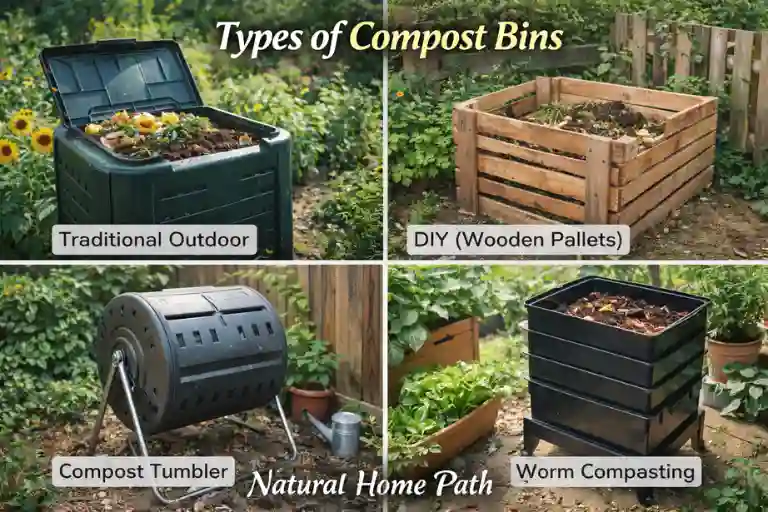
There are several types of compost bins, each suited to different spaces and composting goals. Outdoor bins are ideal for backyards and allow for easy turning and natural aeration. DIY compost bins, often made from pallets or barrels, are affordable and customizable. Tumblers make composting faster because they are easy to rotate, mixing materials efficiently.
Two-bin systems let you separate fresh and older compost for better management, while worm bins or vermicomposting bins are perfect for indoor composting. Some people even use Bokashi compost bins for fast, low-odor composting in apartments. Choosing the right type depends on your available space, composting goals, and materials you have at hand.
How to Build a Compost Bin (Step by Step)
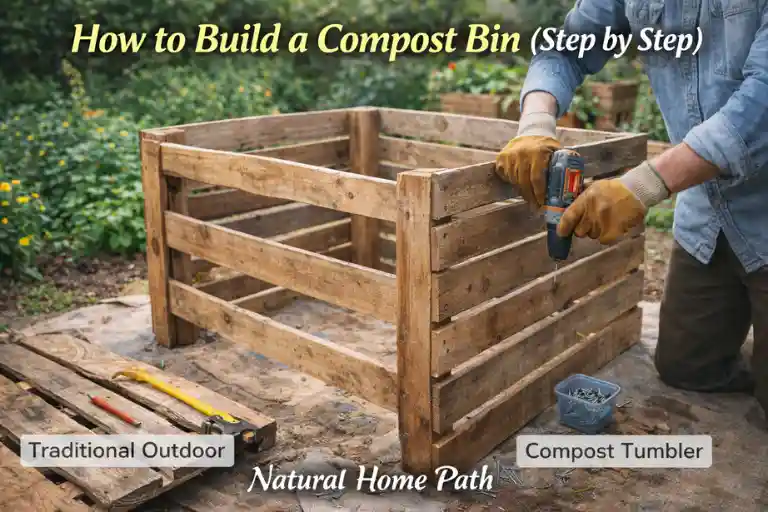
Building your own compost bin is simple, even for beginners, and a DIY project can save money while being eco-friendly. Here’s a step-by-step guide:
Step 1: Choose the Perfect Spot: Pick a shaded, well-drained area in your garden or backyard. Good airflow and partial sunlight help materials decompose faster.
Step 2: Select Your Materials: For a DIY compost bin, use wood pallets, recycled containers, or plastic barrels. Ensure your bin is sturdy and spacious enough for the waste you plan to compost.
Step 3: Add Ventilation: Drill or leave air holes to allow oxygen in. Proper airflow prevents bad odors and speeds up decomposition.
Step 4: Layer Green and Brown Materials: Start with brown materials like leaves, straw, or cardboard, then add green materials like fruit scraps, vegetable peels, or grass clippings. Repeat layers and keep them damp but not soggy.
Step 5: Maintain Your Bin: Turn the compost every few days to mix materials and help them break down evenly. With regular care, your bin will produce rich, nutrient-packed compost for your garden.
What Can and Cannot Go in a Compost Bin
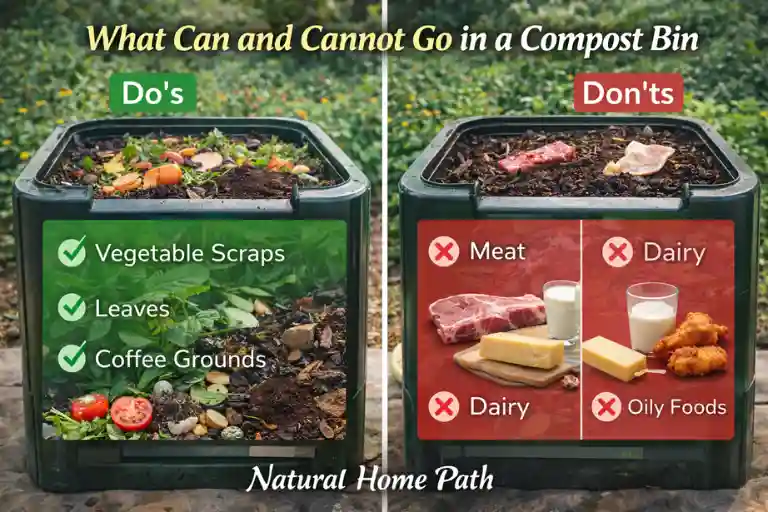
Knowing what to put in your compost bin is essential. Green materials include fruit and vegetable scraps, coffee grounds, and grass clippings. Brown materials include dried leaves, paper, and cardboard. Mixing green and brown materials helps maintain balance, prevents odor, and speeds up decomposition.
Avoid meat, dairy, oily foods, and pet waste, as they attract pests and cause smells. Composting is flexible, so small spaces like apartments can use indoor compost bins or vermicomposting setups. Following these guidelines ensures your composting efforts are successful and produces healthy, nutrient-rich compost for your garden.
Compost Bin Maintenance & Best Practices
To get the best results, regular maintenance is key. Turn your compost bin every few days to aerate the materials. Check moisture levels — it should be damp like a wrung-out sponge. Add brown materials if it’s too wet, or more green materials if it’s too dry.
Keep an eye out for pests or unpleasant odors and adjust materials accordingly. Seasonal care, like covering bins in winter, helps maintain decomposition. With proper care, your bin will produce rich compost within a few months. Maintaining a DIY or store-bought bin consistently makes composting easy, efficient, and rewarding for your garden.
Advanced Composting Techniques
Once you’ve mastered the basics, you can explore advanced composting techniques to make your compost bin even more efficient and productive:
- Aerobic Composting
- Uses oxygen to break down materials faster
- Reduces odor and produces compost quickly
- Ideal for outdoor bins with good airflow
- Uses oxygen to break down materials faster
- Anaerobic Composting
- Works without air
- Slower decomposition but useful for sealed bins
- May produce slight odor, manageable with proper layering
- Works without air
- Vermicomposting (Worm Composting)
- Uses worms to turn scraps into nutrient-rich compost
- Perfect for small spaces or indoor bins
- Produces highly concentrated fertilizer
- Uses worms to turn scraps into nutrient-rich compost
- Layering & Moisture Management
- Alternate green and brown materials correctly
- Keep the pile damp but not soggy to speed up decomposition
- Alternate green and brown materials correctly
- Compost Accelerators
- Add natural boosters like garden soil or finished compost
- Speeds up breakdown and nutrient release
- Add natural boosters like garden soil or finished compost
- Bokashi Composting
- Great for apartment or indoor setups
- Ferments food scraps quickly with minimal odor
- Can handle items traditional bins cannot, like cooked food
- Great for apartment or indoor setups
Common Mistakes to Avoid in Composting
Even experienced gardeners make mistakes with compost bins. Avoid overwatering or under-watering, which slows decomposition. Don’t add meat, dairy, or oily foods — they attract pests. Lack of aeration can create foul smells and prevent composting.
Adding too many of the same type of material, like only greens or browns, disrupts the balance. Turning the compost irregularly or ignoring seasonal adjustments also slows the process. Understanding these common mistakes and fixing them ensures your composting efforts are effective and produces healthy, nutrient-rich compost every time.
Best Compost Bins to Buy in 2026
If building your own bin isn’t ideal, consider ready-made compost bins. Look for durable materials, adequate size, and good ventilation. Tumblers make composting fast and easy, while two-bin systems help manage new and finished compost separately.
Indoor options like worm bins or Bokashi systems are perfect for apartments. Compare features, read reviews, and choose a bin that fits your space, garden size, and composting goals. Investing in the right compost bin ensures efficient composting and helps you produce rich, healthy compost consistently.
Frequently Asked Questions
How quickly will my compost be ready?
Depending on the materials, bin type, and care, compost can be ready in 2–6 months. Regular turning and balancing green and brown materials speeds up the process.
Can I compost in an apartment or small space?
Yes! Use worm bins, Bokashi systems, or compact indoor compost bins. Even kitchen scraps can be transformed into rich compost in small spaces.
What’s the difference between aerobic and anaerobic composting?
Aerobic composting uses air to decompose materials faster with minimal odor. Anaerobic composting works without air and takes longer but is good for limited-space setups.
What are the most common composting mistakes to avoid?
Overwatering, not turning the bin, adding wrong materials like meat or dairy, or neglecting seasonal maintenance can slow decomposition and attract pests.
Conclusion
Starting your own compost bin is more than a gardening task—it’s a way to transform waste into something valuable. With the right setup, whether DIY or store-bought, and simple maintenance routines, you can create healthy, nutrient-rich compost that fuels your plants naturally.
Every small effort counts: turning scraps into soil, reducing waste, and supporting a sustainable lifestyle. Take the first step today—set up your compost bin, experiment with materials, and watch your garden thrive while contributing to a greener planet. Composting is simple, rewarding, and fun for everyone.