
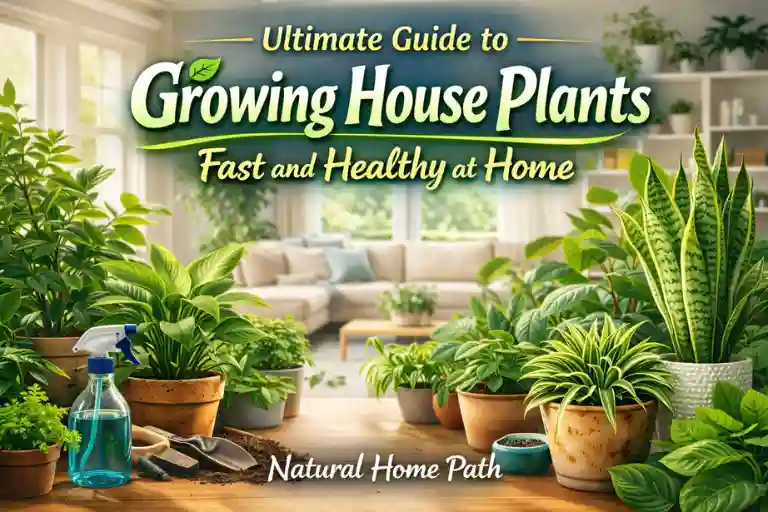
Growing house plants is more than just a hobby, it’s a way to enhance your home’s atmosphere, purify the air, and boost your overall well-being. However, many beginners face challenges when it comes to keeping their indoor plants healthy. Simple mistakes, like overwatering or placing plants in unsuitable lighting, can significantly affect their growth and lifespan.
This guide will walk you through the process of growing house plants successfully, from selecting easy-care varieties to troubleshooting common issues like yellowing leaves or pests. You’ll also discover advanced techniques, such as propagating indoor plants and implementing seasonal care practices. By mastering these strategies, you’ll be well on your way to growing house plants that thrive and add vibrant life to every corner of your home. Whether you’re a beginner or a seasoned plant parent, these tips will help you create a flourishing indoor garden.
Selecting the Best Indoor Plants
Choosing the right house plants is the first step to a thriving indoor garden. Not all indoor plants suit every home, so consider light availability, space, and humidity before buying. For beginners, low-maintenance indoor plants like snake plants, pothos, and ZZ plants are ideal because they tolerate a variety of conditions.
If your home has low light, pick plants that can thrive without direct sunlight. Seasonal and decorative considerations also matter—think about flowering periods or how plants fit your home style. By carefully selecting beginner-friendly houseplants, you can avoid common mistakes like overwatering or placing plants in unsuitable areas and ensure your indoor plants grow healthy and strong.

Creating the Perfect Indoor Environment
A thriving indoor garden depends on the right environment. Temperature, humidity, and light are crucial for houseplant care. Most indoor plants prefer moderate temperatures and consistent airflow. Use grow lights to supplement natural light, especially in rooms with minimal sunlight.
Placement also affects growth, avoid areas near heaters or drafty windows. Indoor plant placement isn’t just functional; it can also enhance your home decor and mood. Maintaining proper humidity helps prevent dry leaves and encourages lush growth. By creating a balanced indoor environment, you give your plants the best chance to thrive and reduce problems like yellowing leaves, leggy growth, or pests.
Essential Houseplant Care
Proper houseplant care is key for healthy growth. Start with watering—learn how often each indoor plant needs water, and avoid overwatering, a common mistake. Fertilization provides nutrients for strong stems and vibrant leaves, while the right soil and pots support proper drainage.
Repotting is essential when roots outgrow containers. For beginners, a well-draining pot with a nutrient-rich soil mix makes care easier. Regularly check for pests and remove dead leaves to prevent disease. By following these indoor plant care tips, you can ensure your plants grow vigorously, remain healthy year-round, and avoid common problems that beginners often face.
Solving Common Indoor Plant Problems
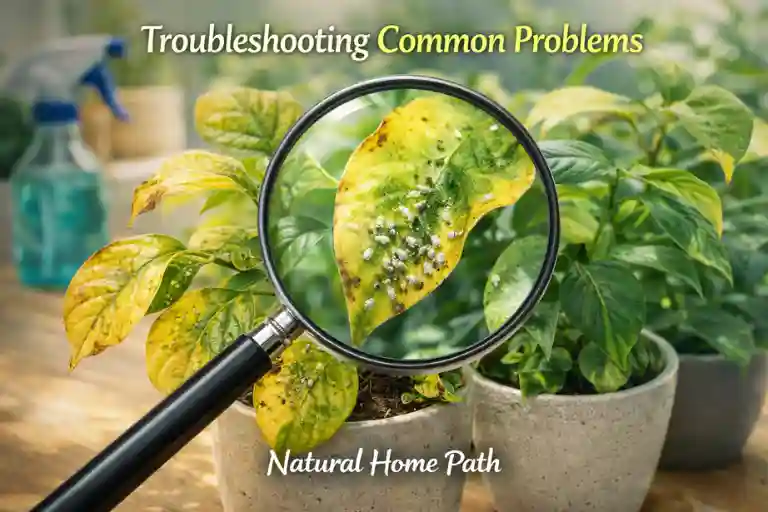
Even experienced plant owners face common houseplant problems. Overwatering and underwatering are the top causes of poor plant growth. Check for yellowing leaves, drooping stems, or slow growth these signs indicate stress.
Pests like aphids, spider mites, and mealybugs can damage your plants. Use natural remedies, such as soapy water or neem oil, to remove infestations. Nutrient deficiencies may also occur, leading to pale or spotted leaves. Adjust fertilization and ensure proper sunlight to fix these issues. With proper observation and troubleshooting techniques, you can keep your indoor plants healthy, vibrant, and free from stress, allowing even beginners to enjoy a thriving indoor garden.
Growth Enhancement and Advanced Tips
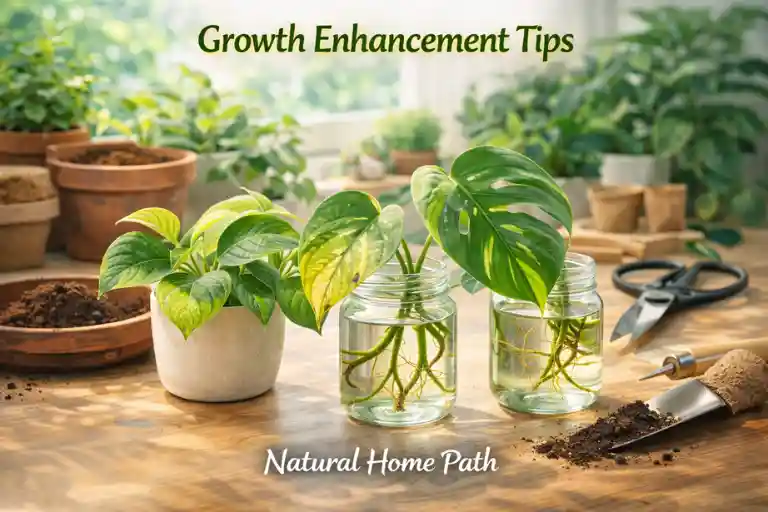
- offering an easy way to multiply your collection.
- Pruning for Better Growth
- Pruning is essential for maintaining your plant’s shape and improving air circulation.
- Regular trimming encourages the development of new stems and leaves, leading to healthier, fuller plants.
- Pruning is essential for maintaining your plant’s shape and improving air circulation.
- Seasonal Care Adjustments
- Winter Care: Many plants need more light in winter. Adjust their placement to ensure they get enough exposure.
- Summer Care: During warmer months, ensure your plants receive adequate water and humidity levels to stay hydrated.
- Winter Care: Many plants need more light in winter. Adjust their placement to ensure they get enough exposure.
By incorporating these advanced growth techniques, you can make your indoor garden flourish, encouraging stronger, healthier, and more vibrant plants. Even beginners will see impressive results with these simple yet powerful strategies.
Lifestyle & Decor Integration
Indoor plants do more than just grow they enhance your home decor and lifestyle. Choose low-maintenance plants for busy spaces, like offices or kitchens, that still look attractive.
Arranging plants creatively can brighten rooms and improve mental well-being. Some plants, like peace lilies or snake plants, improve air quality while adding aesthetic appeal. Consider plant placement and grouping to create visually pleasing indoor gardens. Indoor plants can also boost productivity, reduce stress, and create a peaceful atmosphere. By integrating houseplants into your lifestyle, you enjoy both their beauty and benefits, making plant care a rewarding and enjoyable part of daily life.
Frequently Asked Questions
What’s the easiest way to keep houseplants alive?
Start with low-maintenance indoor plants like snake plants, pothos, or ZZ plants. Place them in the right light conditions, water only when the soil feels dry, and avoid overwatering.
How do I know if my indoor plants are thirsty or overwatered?
Check the soil—if it’s dry a few inches deep, it’s time to water. Yellowing leaves or drooping stems usually mean overwatering. Adjust gradually to find the perfect balance.
Can houseplants survive in low light?
Yes! Some indoor plants thrive in low-light conditions. Examples include snake plants, peace lilies, and pothos. Using a grow light can also help plants stay healthy in darker rooms.
How can I naturally protect my houseplants from pests?
Regularly clean leaves and watch for small insects. Mild solutions like soapy water or neem oil keep your plants pest-free without chemicals.
When and how often should I fertilize indoor plants?
Fertilize during active growth seasons, typically spring and summer. Use a balanced fertilizer and follow the instructions to avoid overfeeding.
Conclusion
Growing house plants successfully is rewarding and improves your home environment. By carefully selecting beginner-friendly plants, creating the perfect indoor environment, and following essential care tips, even beginners can enjoy vibrant, thriving indoor gardens. Observe your plants, troubleshoot problems like yellowing leaves or pests, and apply growth enhancement tips like propagation and pruning. Integrating plants into your home decor boosts both beauty and well-being. With patience and consistency, anyone can develop a flourishing indoor plant collection. Start today and enjoy the joy of nurturing healthy, happy houseplants!