

Making your own homemade stocks are one of the simplest ways to add rich flavor to soups, stews, and other dishes. While you can buy stocks from the store, nothing beats the taste and nutrition of homemade chicken stocks, beef stocks, or bone broth made from scratch. Canning stocks at home not only preserves its freshness but also allows you to have ready-to-use stocks whenever you need it. With the right pressure canner or canning jars, you can safely preserve chicken, turkey, beef, or vegetable stocks for months. In this guide, we’ll walk you through an easy, step-by-step process to can stock safely at home, share important safety tips, and show how to store your it for long-term use.
Types of Stock
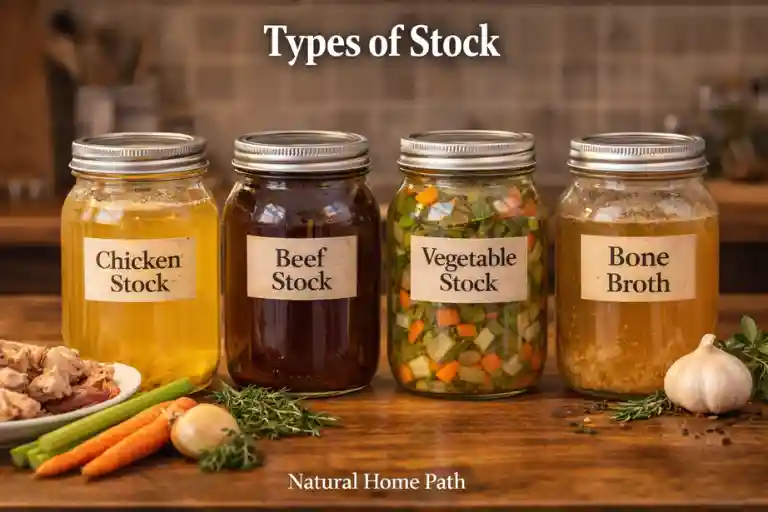
Not all stocks are created equal when it comes to canning at home. The most common options include chicken stocks, turkey stocks, beef stocks, and bone broth. Vegetable stocks are also a great option for those who prefer plant-based meals. Each type has slightly different cooking times and flavor profiles, but all can be safely canned in a pressure canner for long-term storage. Homemade stock is richer in flavor than store-bought options, and canning stocks preserves both taste and nutrients. You can also experiment with herbs, vegetables, and bones to create unique flavors. By choosing the right type of stocks, you ensure delicious results every time you open a jar for soups, stews, or sauces.
Preparing Your Stock for Canning
Before canning stock, preparation is key for safety and flavor. Start by cooking your stocks thoroughly, whether it’s chicken, turkey, beef, or vegetable stock. Strain out bones and solids, and skim excess fat to prevent spoilage. Avoid over-seasoning, as salt and herbs can intensify during storage. Let the stocks cool slightly before pouring it into sterilized canning jars, leaving the proper headspace to allow for expansion. Using a funnel and ladle makes the process easier and cleaner. Preparing your stocks properly ensures it cans safely and tastes fresh when you open it. Remember, careful preparation is the foundation of safe and flavorful homemade canned stock.
Canning Methods Explained
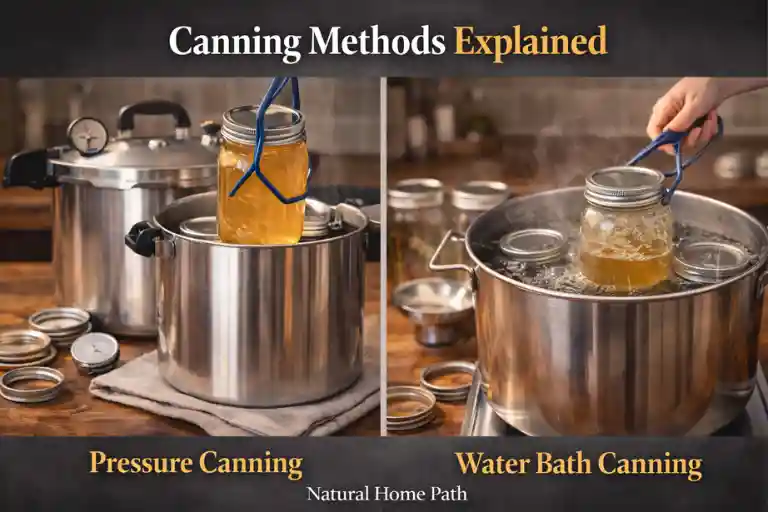
Canning homemade stock safely is key to preserving flavor and preventing spoilage. There are two main methods: pressure canning and water bath canning. Here’s how each works:
1. Pressure Canning (Best for Meat-Based Stock)
This is the safest method for chicken, turkey, beef, or bone broth. Follow these steps:
- Fill jars with hot stocks, leaving the recommended headspace.
- Wipe jar rims and place sterilized lids and bands.
- Process in a pressure canner according to the stocks type and your altitude.
- Allow jars to cool naturally before checking seals.
Pressure canning kills harmful bacteria and ensures long-term storage.
2. Water Bath Canning (Only for Vegetable Stock)
Use this method for vegetable stock without meat:
- Fill sterilized jars with hot stocks and leave proper headspace.
- Seal jars with lids and bands.
- Boil jars in a water bath for the recommended time.
Important: Do not use water bath canning for meat-based stocks, as it will not kill harmful bacteria.
Equipment Checklist for Canning Stock
Essential Tools:
- Pressure canner – required for meat-based stocks
- Canning jars – properly sized and sterilized
- Lids and bands – ensure they are in good condition
- Jar lifter – for safely handling hot jars
- Funnel – makes pouring stocks into jars cleaner and easier
Optional but Helpful Tools:
- Ladle – for transferring stocks into jars
- Skimmer – for removing fat or foam from stocks
- Kitchen towels – for wiping rims and handling hot jars
Pro Tips:
- Always sterilize jars and lids before use.
- Check that lids and bands are intact to prevent spoilage.
- Using the right equipment ensures your homemade stock stays safe, flavorful, and easy to store.
Storage and Shelf-Life
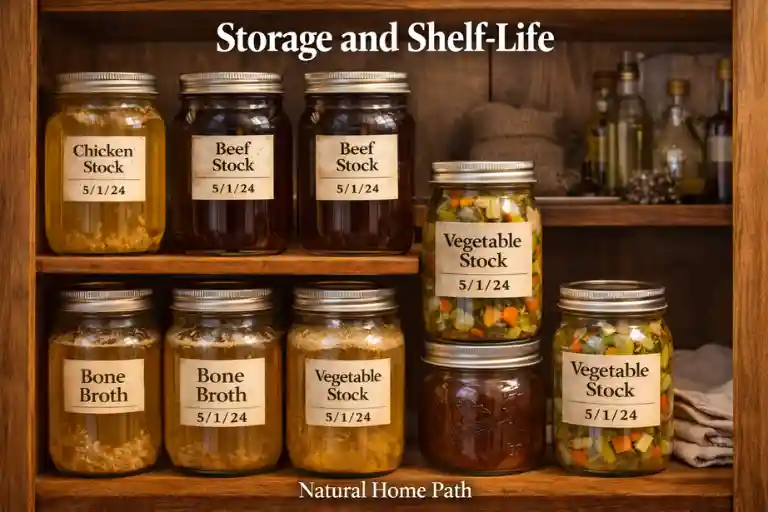
Proper storage ensures your canned stock stays fresh and flavorful. Store jars in a cool, dark place, such as a pantry or cupboard. Label each jar with the type of stock and the date it was canned. Chicken, turkey, beef, and bone broth generally last up to one year when stored correctly. Once opened, refrigerate leftovers and use them within a few days. Avoid storing jars near heat or sunlight, as this can affect flavor and safety. By following these tips, you can enjoy homemade stock year-round, making it easy to prepare soups, stews, sauces, and meals anytime.
Common Mistakes and How to Avoid Them
Even experienced canners make mistakes. Common issues include overfilling or underfilling jars, improper seals, and stock separating or foaming. Using jars that are cracked or chipped can lead to spoilage, and skipping headspace can cause jars to overflow. Always follow pressure canner guidelines, and avoid over-seasoning stock before canning. Double-check that lids seal properly before storing. By understanding these common errors, you can prevent problems and ensure your homemade stock stays safe, tasty, and ready for use. A little attention to detail makes a huge difference in successful stock canning.
Advanced Tips for Flavor and Safety
- Batch canning: Prepare multiple jars at once for efficiency and consistent flavor.
- Use leftover bones: Make rich, nutritious stock from leftover chicken, turkey, or beef bones.
- Add herbs and vegetables: Enhance flavor and variety in your homemade stock.
- Skim fat carefully: Remove excess fat to prevent spoilage during storage.
- Follow safety guidelines: Always adhere to pressure canning instructions for safe preservation.
- Freeze extra portions: Supplement canned stocks with frozen jars for seasonal use.
- Experiment with stock types: Try chicken, turkey, beef, or vegetable stock to find your favorite flavors.
- Versatile usage: Apply your stocks in soups, stews, sauces, and meal prep for maximum value.
Frequently Asked Questions
Can I can stock without a pressure canner?
For meat-based stocks like chicken, turkey, beef, or bone broth, a pressure canner is required to ensure safety. Only vegetable stock can be safely processed using a water bath canning method.
How long does canned stock last?
When stored in a cool, dark place, properly canned stocks can last up to one year. Always label jars with the type of stock and the date it was canned for easy reference.
Can I freeze stock instead of canning?
Freezing is a safe alternative, but canning extends shelf-life and allows you to have ready-to-use stock anytime without thawing.
How do I know if canned stock is spoiled?
Check for unsealed lids, bulging jars, off smells, or bubbles. If you notice any of these signs, discard the stocks immediately to stay safe.
Can I can turkey or beef stock safely at home?
Yes, following proper pressure canning guidelines and leaving the correct headspace ensures your stocks are safe and flavorful.
Any tips for beginners?
Start with chicken or vegetable stock, follow the step-by-step instructions carefully, and always check that jars are properly sealed before storage.
Conclusion
Canning your own homemade stock is a simple and rewarding way to save time, enhance flavor, and enjoy nutritious meals year-round. By following the step-by-step guide, using the right equipment, and practicing proper safety tips, you can preserve chicken, turkey, beef, or vegetable stocks safely at home. Experiment with herbs, vegetables, and bones to create unique flavors, and use batch canning or freezing to stay prepared for any meal. With these tips, your canned stock will be safe, versatile, and delicious, ready to elevate soups, stews, sauces, and all your favorite dishes.