

If you want to turn your kitchen scraps and garden waste into nutrient-rich soil quickly, learning how to heat up your compost is key. A hot compost pile breaks down faster than a cold one, helping you create rich, fertile soil for your garden in weeks instead of months. Hot composting not only speeds up decomposition but also kills weed seeds and harmful pathogens, making your compost safer and more effective. In this guide, we’ll cover everything from choosing the right ingredients, building the perfect pile, and monitoring compost temperature, to troubleshooting common problems. By following these steps, you can master hot composting, maintain a healthy thermophilic composting process, and enjoy faster, cleaner, and more productive compost for your garden.
Science Behind Compost Heating
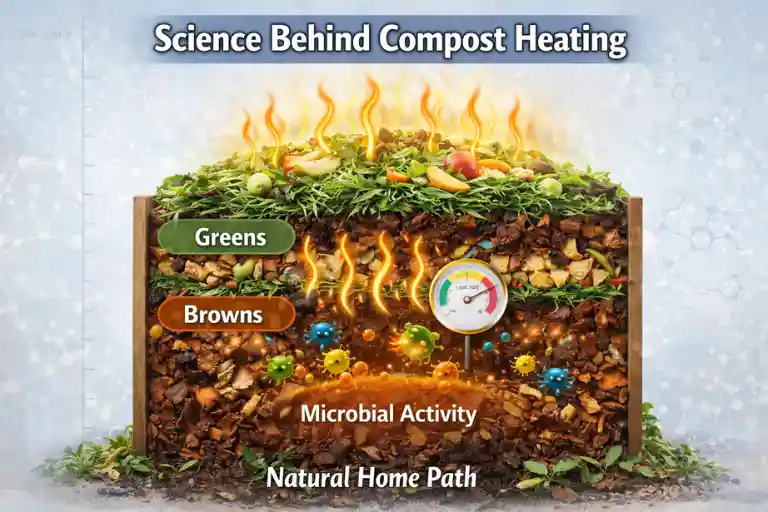
The magic behind a hot compost pile comes from tiny thermophilic microbes. These helpful microorganisms feed on organic matter, generating heat as they break down greens and browns. Compost naturally goes through two stages: the mesophilic phase, where decomposition is slower, and the thermophilic phase, where the pile can reach high temperatures, accelerating breakdown. Maintaining moisture, oxygen, and the right C:N ratio is crucial for this process. Without these, your pile may stay cold. Understanding how microbial activity generates heat helps you optimize your compost. By supporting these natural processes, you can heat up your compost faster, produce richer soil, and create a safer, pathogen-free environment for your garden plants.
Choosing the Right Ingredients
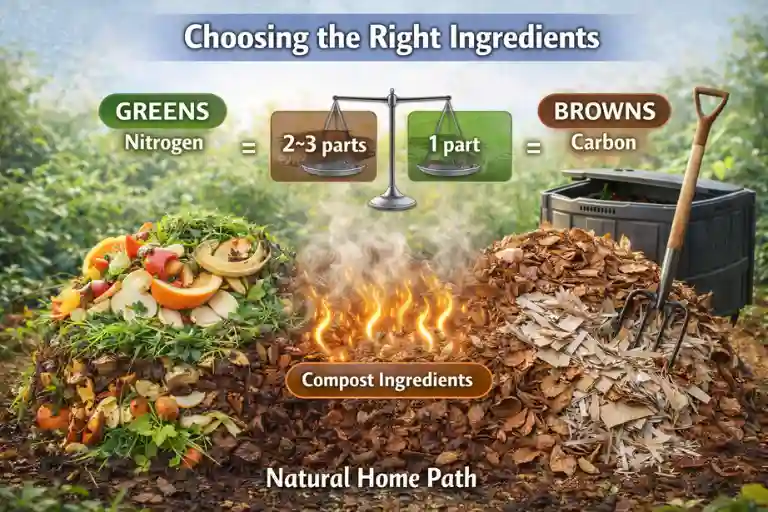
Choosing the right greens and browns is the first step to hot composting success. Greens like kitchen scraps, grass clippings, and coffee grounds provide nitrogen, while browns such as dry leaves, cardboard, and shredded paper add carbon. A proper C:N ratio (around 2–3 parts browns to 1 part greens) ensures your pile heats up efficiently. You can also add manure or finished compost to boost microbial activity. Avoid meat, dairy, or oily scraps to prevent odors and pests. Shredding or chopping ingredients increases surface area, allowing microbes to work faster. By carefully selecting and preparing ingredients, you’ll set your pile up to reach high compost temperatures and decompose quickly, creating a productive hot composting system.
Building the Perfect Hot Compost Pile
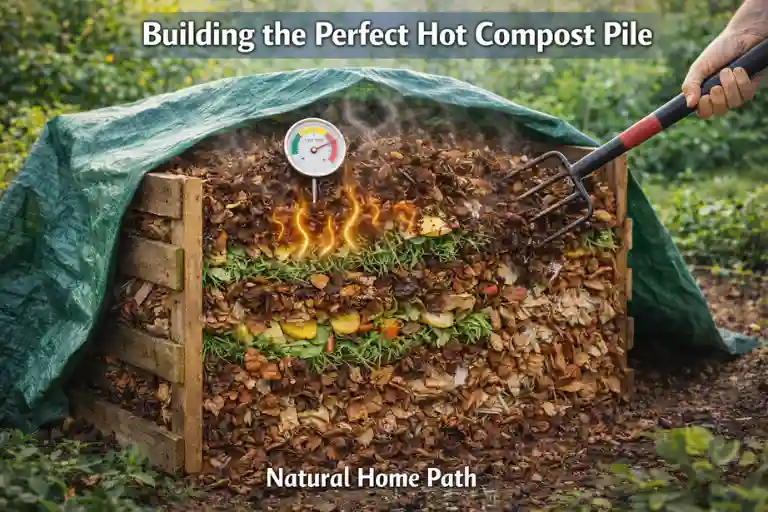
A well-built compost pile is essential to heat up your compost effectively. Start with a base layer of coarse browns for airflow, then alternate layers of greens and browns. Aim for a pile size of at least 3x3x3 feet, which helps retain heat. Keep the pile moist but not soggy, like a wrung-out sponge. Covering it with a tarp or insulating with straw can help maintain high temperatures, especially in cold weather. Turning the pile every few days adds oxygen, feeding the microbes that generate heat. Using a compost thermometer helps monitor temperature and ensures your thermophilic composting process is active. Proper construction keeps your pile hot and speeds decomposition.
Monitoring and Maintaining Compost Temperature
Keeping your compost hot and active requires regular monitoring. The ideal temperature for hot composting is 49–71°C (130–160°F). Use a compost thermometer to check the center of the pile. If temperatures drop, it may mean your C:N ratio, moisture, or airflow isn’t right. Turn the pile regularly to reintroduce oxygen and mix materials, helping microbes work efficiently. Add water if it’s too dry, or extra browns if too wet. By paying attention to compost pile temperature, moisture, and turning, you ensure your compost stays in the thermophilic phase, breaking down materials quickly and safely. Regular maintenance helps you heat up your compost faster and get richer, healthier soil.
Troubleshooting Slow or Cold Piles
Sometimes a compost pile refuses to heat up, but this is fixable. Common issues include too much carbon or nitrogen, poor aeration, excess moisture, or a pile that’s too small. Check your C:N ratio and adjust with greens or browns as needed. Make sure the pile has enough size and insulation to retain heat. Turning the pile adds oxygen and redistributes moisture, helping microbes recover. Avoid compacting the pile, which can slow decomposition. By identifying the problem and making small adjustments, you can get your hot composting system back on track. These tips help troubleshoot slow compost and ensure your garden gets rich, fertile soil quickly.
Seasonal & Environmental Considerations
Composting is affected by weather and seasons. In winter, piles may lose heat quickly, so insulate with straw or tarps to retain warmth. During rainy seasons, monitor moisture carefully—too much water can make the pile anaerobic and slow decomposition. In hot, dry climates, add water and shade to prevent drying out. Understanding your environment helps maintain the thermophilic phase, ensuring your hot compost pile stays active. Seasonal adjustments let you heat up your compost faster year-round. By adapting your techniques to the weather, you produce consistent, nutrient-rich compost that benefits your garden while keeping your composting process efficient and reliable.
Safety and Environmental Benefits
Hot composting isn’t just faster—it’s also safer and eco-friendly. High temperatures kill weed seeds and harmful pathogens, reducing risks in your garden. Composting at home also helps reduce landfill waste and lowers greenhouse gas emissions, making it environmentally responsible. Using proper ingredients and maintaining the pile ensures safe decomposition without odors or pests. Your finished compost enriches soil naturally, improving plant health and reducing the need for chemical fertilizers. By practicing hot composting, you create healthier plants, a safer garden, and a smaller environmental footprint—while fully taking advantage of the benefits of hot composting and maintaining rich, fertile soil.
Advanced Techniques
To take hot composting to the next level, use a compost thermometer to track temperatures accurately. Layer ingredients strategically to maximize heat retention and microbial activity. Adding small amounts of finished compost or manure can jump-start slow piles. For larger operations, consider building multiple piles or turning them in sequence for continuous heat. Winter composting can benefit from insulating materials or a compost bin with walls. By combining these advanced hot composting techniques, you can maintain consistent high temperatures, speed decomposition, and ensure the healthiest compost possible. These steps let you master hot composting, troubleshoot issues, and achieve faster, more productive results for your garden.
Frequently Asked Questions
How do I know if my compost is getting hot enough?
Your compost should reach around 49–71°C (130–160°F) in the center of the pile. A compost thermometer helps track temperatures and ensures your pile stays in the thermophilic phase for faster decomposition.
How often should I turn a hot compost pile?
Turn the pile every 3–7 days depending on its size and moisture. Regular turning adds oxygen, keeps the pile hot, and helps heat up your compost faster.
Why isn’t my compost heating properly?
Most piles stay cold because of too many browns or greens, poor airflow, excess water, or a pile that’s too small. Adjust ingredients, aerate, or insulate to jumpstart the heat.
Can I compost food scraps like meat or dairy in a hot pile?
It’s best to avoid meat, dairy, or oily foods—they can slow microbial activity and attract pests. Stick to greens like vegetable scraps and coffee grounds for faster heating.
How long does it take for a compost pile to become fully hot?
A well-maintained pile can reach full heat in 2–4 weeks, depending on pile size, ingredient mix, and thermophilic microbial activity. Smaller or poorly balanced piles take longer.
Conclusion
By following these steps, you can heat up your compost efficiently, maintain a healthy thermophilic process, and create rich, fertile soil for your garden. Start with the right ingredients, monitor temperature and moisture, troubleshoot slow piles, and use advanced techniques to optimize results. Hot composting saves time, improves plant health, and reduces waste, giving your garden the best foundation for growth. Take action today, and enjoy faster, safer, and more productive compost that benefits both your plants and the environment.